
 by Admin
Plan Custom POP Displays: A Practical Guide from Concept to Delivery
Most POP displays fail to grab attention or fit the brand’s story. You know your retail space demands more than generic setups. This guide breaks down how to plan custom POP displays that boost visibility and sales, from initial sketch to store-ready fixture. Follow a clear process designed to simplify your next project and get expert results every time.
Conceptualizing Custom POP Displays
Custom POP displays start with a clear understanding of your brand’s unique needs. Knowing what you want to convey helps shape the design process.
Understanding Your Brand Needs
The first step in creating the perfect POP display is identifying what your brand stands for and what message you want to share. Ask yourself: What experience do you want customers to have? Consider colors, themes, and materials that reflect your brand identity. Think about how your display will support your product goals and customer engagement. This alignment ensures your displays are not just attractive, but effectively communicate your brand story.
Initial Design and Material Selection
Once you have a clear vision, it’s time to bring it to life through design. Work with a designer to sketch out ideas, keeping your brand’s needs in focus. Choose materials that complement your product: acrylic for a sleek look, metal for durability, or wood for warmth. Consider how each material will enhance product presentation and withstand retail environments. This decision is crucial for balancing aesthetics with practicality.
Prototyping and Testing
Prototyping is where your design starts to take shape. Building a prototype lets you see the display in action and make tweaks before full production. Testing helps ensure everything works as intended, from structural integrity to visual appeal. It’s your chance to catch any issues early, saving time and resources later. Don’t skip this vital step; it’s your safety net for a flawless final product.
Manufacturing and Production Process
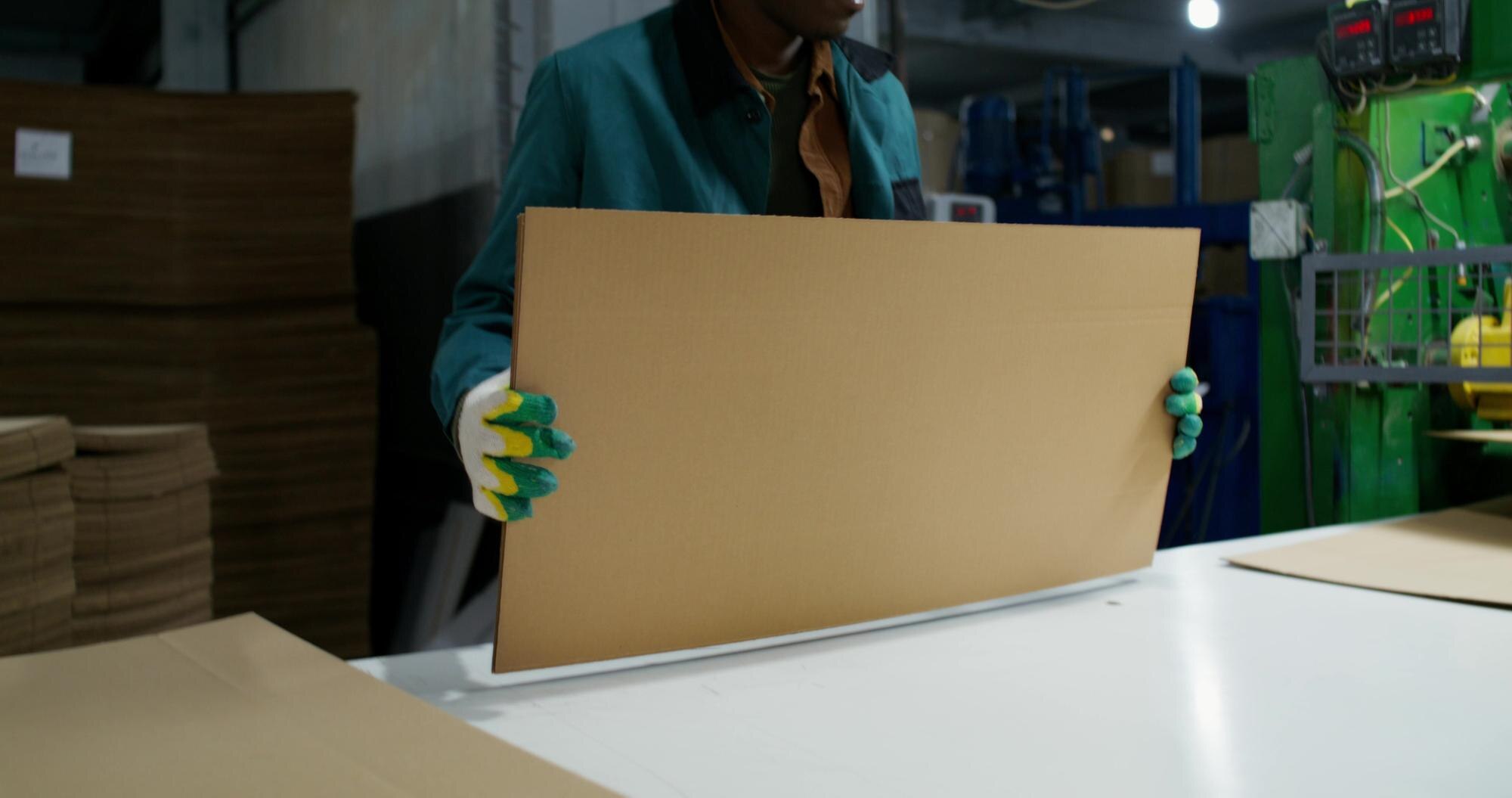
Transitioning from design to production requires meticulous planning and precision. Each step focuses on ensuring that the finished display meets design specifications.
Display Engineering and CAD Design
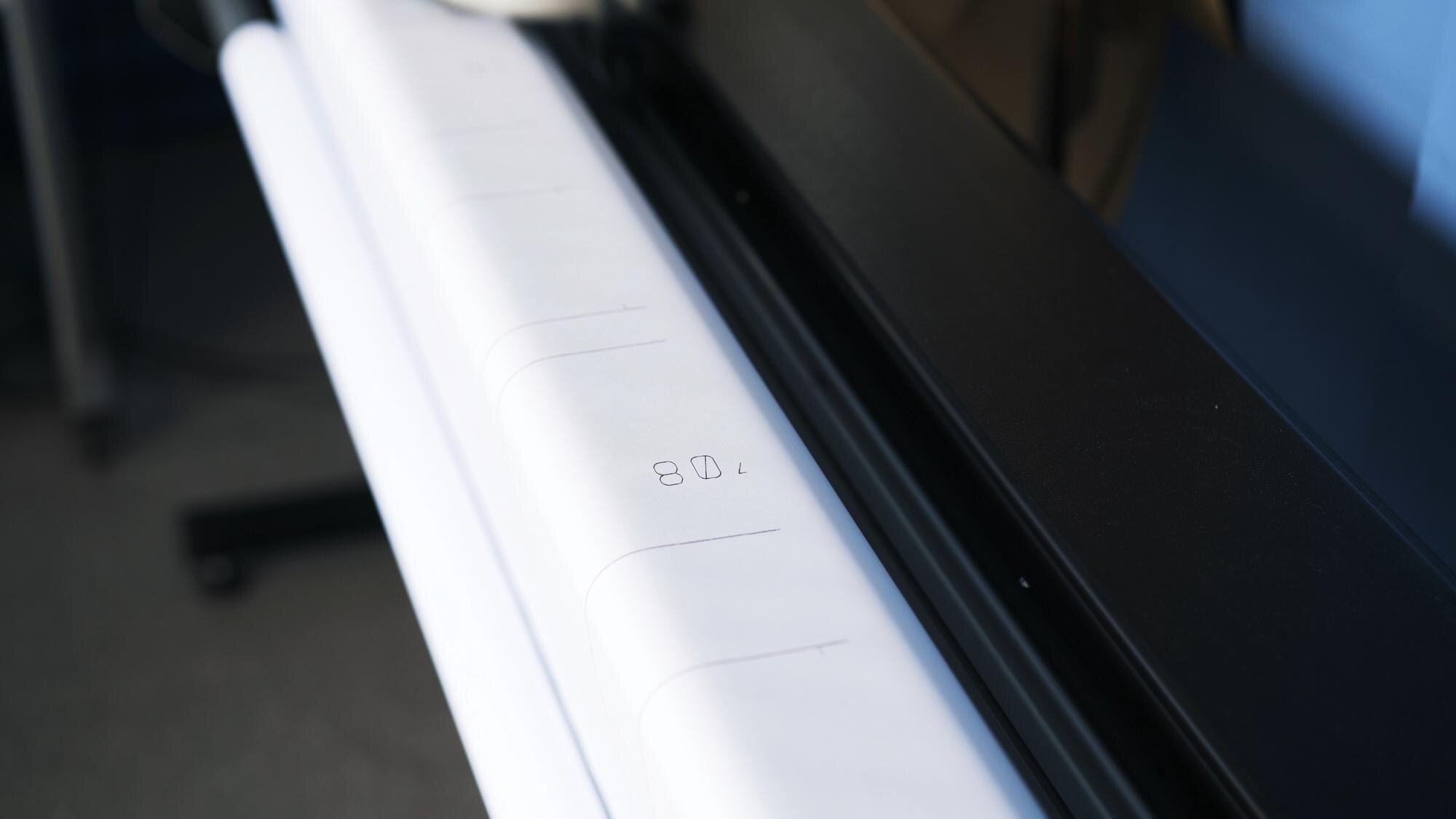
Engineering bridges the gap between design and production. Using CAD software, engineers create detailed plans that guide manufacturing. This step ensures every component fits perfectly, providing a roadmap for production. Precise engineering is vital for transforming ideas into tangible displays that are both functional and visually appealing.
Fabrication: Acrylic, Metal, and Wood
Fabrication is where raw materials become your display. Skilled craftsmen work with acrylic, metal, and wood to build each piece according to the engineered designs. Each material has unique properties: acrylic offers clarity, metal provides strength, and wood adds texture. Combining these elements creates displays that stand out in any retail setting.
Quality Control and Finishing
Quality control is essential to ensure that every display meets high standards. Inspectors check for defects, ensuring each piece is flawless and ready for retail. The finishing touches, such as polishing or painting, complete the look, enhancing durability and aesthetics. This rigorous process guarantees that your displays not only meet but exceed expectations.
Logistics and Installation
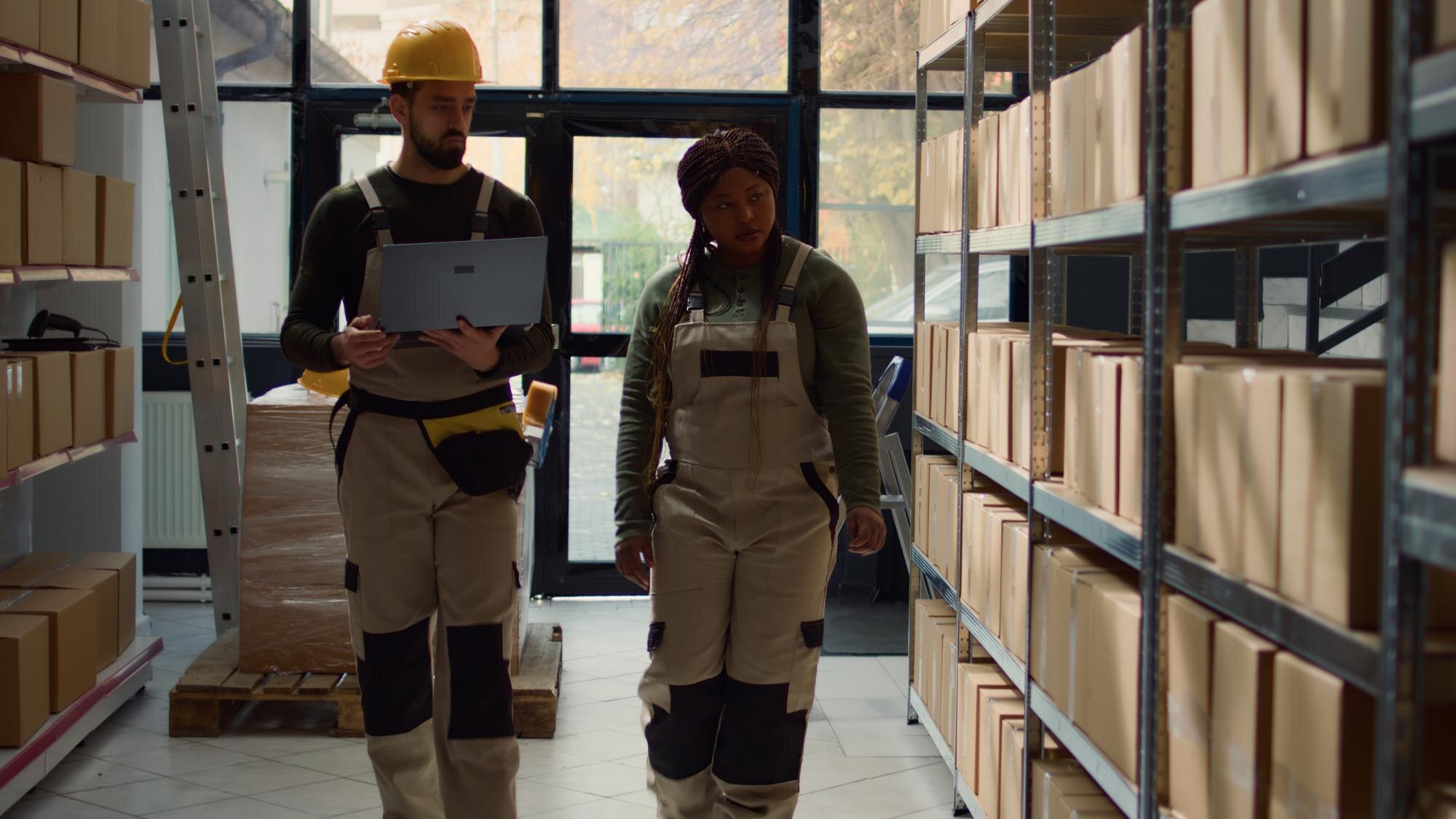
Efficient logistics ensure your displays arrive on time and ready for installation. This phase is crucial for a smooth transition from production to retail.
Sourcing and Kitting Solutions
Sourcing the right components and materials is vital for creating a cohesive display. Kitting involves gathering all parts needed for assembly, ensuring nothing is missing at the installation site. This step saves time and reduces errors, allowing for a seamless setup process.
Nationwide Retail Rollout Logistics
Coordinating logistics on a national scale involves careful planning and execution. Partner with a logistics provider that understands retail deadlines and constraints. Timely delivery ensures your displays hit the floor when needed, maximizing promotional opportunities. Efficient logistics support large rollouts and minimize disruptions.
In-Store Compliance and Fixture Installation
In-store compliance ensures that displays are set up according to specifications and retailer guidelines. Proper installation is key for stability and safety, as well as visual impact. Work with professionals to handle setup, ensuring your displays look just as envisioned. This attention to detail is what sets your brand apart at the point of purchase.
Frequently Asked Questions
What are custom POP displays?
Custom POP displays are tailored marketing fixtures designed to showcase and promote products at the point of purchase. They are customized to align with a brand’s identity and enhance product visibility in retail settings.
How do I choose the right materials for my POP display?
Choosing the right materials depends on your branding goals and the retail environment. Acrylic offers a modern look, metal provides strength, and wood adds warmth. Consider the aesthetic and practical needs of your product when selecting materials.
Why is prototyping important in the POP display process?
Prototyping allows you to test the design before full production. It helps identify potential issues and make necessary adjustments, ensuring the final display is both functional and visually appealing.
How does Precision Retail Group handle logistics for POP displays?
Precision Retail Group manages logistics with careful planning, ensuring timely delivery and setup. They coordinate nationwide rollouts, ensuring displays are installed correctly and meet retailer guidelines.
What is the role of display engineering in creating POP displays?
Display engineering involves creating detailed plans using CAD software to guide the production process. It ensures each component fits precisely, transforming design concepts into functional, attractive displays.