

 by Admin
From Concept to Delivery: A Practical Guide to Planning Custom POP Displays
Custom POP displays shape how shoppers see and interact with your brand. Missing key steps in planning can delay launches and blow budgets. This guide breaks down the process from concept to delivery, so you stay on schedule and control costs. You’ll learn how to streamline design, manufacturing, and logistics for impactful retail fixtures. Keep reading to master your next POP display project and schedule a free 30-minute consult with our experts.
Understanding POP Display Basics
To succeed in retail, understanding POP display fundamentals is crucial. These displays are more than fixtures; they engage and influence buyers at key moments. Let’s explore the essentials.
Types of POP Displays
POP displays come in various forms, each serving unique purposes. Floor displays catch attention in aisles, making them perfect for large items or promotions. Counter displays are ideal for impulse buys near checkout, offering high visibility for smaller products. Endcap displays highlight products at the end of aisles, boosting visibility and sales. Interactive displays create an engaging experience for customers, often featuring touchscreens or product demos that captivate and inform. By choosing the right type, you can tailor your approach to better meet your specific retail goals.
Key Materials and Manufacturing
The choice of materials significantly affects the display’s appeal and durability. Acrylic displays offer a sleek, modern look, perfect for highlighting premium items. Metal displays provide strength and a contemporary feel, suitable for a wide range of products. Wood displays bring warmth and a natural aesthetic, ideal for eco-friendly brands. Manufacturing processes must ensure high-quality output, as these displays need to withstand retail environments. By understanding the materials and manufacturing processes, you can ensure that the final product aligns with your brand image and meets durability standards.
Role in Visual Merchandising
POP displays are vital in visual merchandising, playing a key role in how products are perceived. They guide the shopper’s journey, highlighting key items and creating a narrative around your brand. Effective displays not only showcase products but also enhance the overall shopping experience, encouraging purchase decisions. By thoughtfully placing displays and aligning them with branding goals, you’ll optimize the retail space and influence buyer behavior positively.
Planning Your Custom POP Display
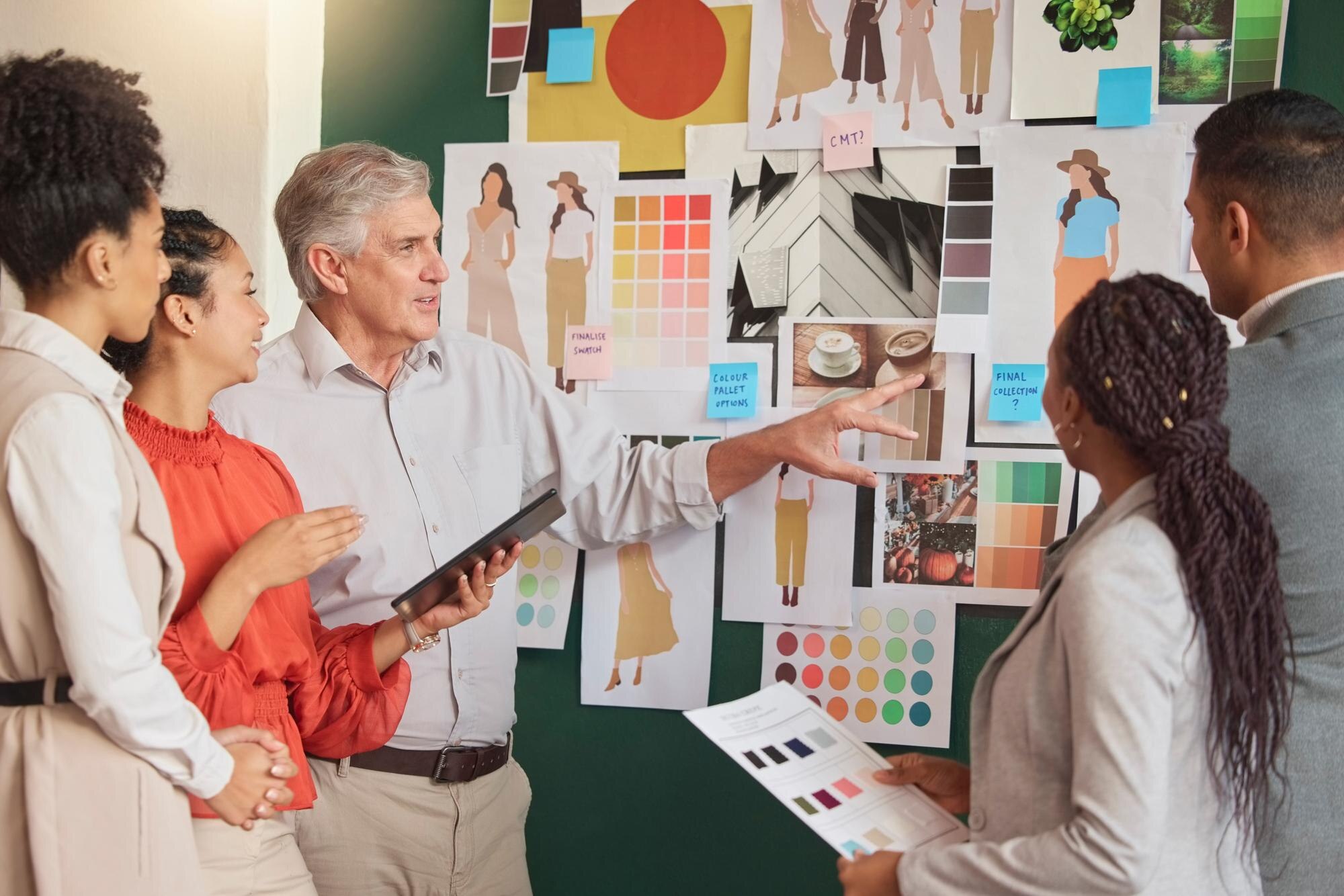
Planning a custom POP display demands precision and foresight. A well-thought-out plan can streamline processes and prevent costly delays. Here’s how to navigate the planning phase effectively.
Concept to Prototype Process
Bringing a display from concept to prototype involves several steps. Start with a clear idea that aligns with your brand’s goals. Sketch and refine this into a detailed design, considering the materials and placement in stores. Collaborate with designers and engineers to create a prototype that reflects the final vision. This prototype allows you to test and tweak before full-scale production, ensuring any issues are addressed early. By focusing on this initial stage, you set a solid foundation for the entire project.
Budget and Timeline Management
Managing budget and timeline is crucial to a project’s success. Begin by outlining all potential costs, including materials, manufacturing, and logistics. Having a clear financial plan helps avoid surprises later. Next, set realistic timelines for each phase, from design to delivery. Regularly review progress against these timelines to stay on track. By keeping a close eye on both budget and schedule, you can ensure the project proceeds smoothly and that resources are used efficiently.
Ensuring Planogram Compliance
Planogram compliance is essential to effectively integrate displays into retail spaces. Understand the store’s layout and guidelines for product placement. Your display must fit seamlessly, enhancing the shopping experience without obstructing flow. Collaborate with retail partners to adjust designs as needed, ensuring alignment with their planogram requirements. By prioritizing compliance, you minimize disruptions and maximize the display’s impact on sales.
Implementation and Store Rollout
Once planning is complete, focus shifts to implementation and rollout. This phase is where your preparation pays off, bringing the display to life in stores.
Logistics and Delivery Coordination
Effective logistics and delivery coordination are vital for a smooth rollout. Work with reliable partners to handle transportation and on-time delivery. Ensure all components arrive intact and ready for installation. Communication is key; keep all parties informed of timelines and any changes. By coordinating logistics meticulously, you minimize disruptions and ensure that displays reach their destination efficiently and in perfect condition.
Installation and Compliance
Installation marks the final step before the display goes live. Ensure that the setup team follows the design specifications accurately. This involves not only placing the display correctly but also ensuring all technical elements function as intended. Compliance checks at this stage verify that the display meets all safety and regulatory standards. By prioritizing meticulous installation, you guarantee that the display performs optimally and enhances the shopping experience.
Evaluating Display Success
Evaluating the success of your display involves more than just sales figures. Consider customer engagement, feedback, and how well the display drives traffic to the featured products. Use data analytics to gather insights on performance, making adjustments as needed to optimize results. By continually assessing the display’s impact, you can refine future projects and ensure ongoing retail success.
Frequently Asked Questions
What are the main types of POP displays?
POP displays include floor displays, counter displays, endcap displays, and interactive displays. Each serves a unique purpose, from promoting large products to encouraging impulse buys.
How do you choose materials for POP displays?
Selecting materials depends on several factors: brand image, product type, and durability needs. Acrylic offers a sleek look, metal provides strength, and wood brings a natural feel.
Why is planogram compliance important?
Planogram compliance ensures that displays fit seamlessly within retail spaces, enhancing the shopping experience without obstructing flow or violating store guidelines.
What factors determine display success?
Display success is measured by sales impact, customer engagement, and feedback. Regularly analyzing these aspects helps refine strategies for future successes.