
 by Admin
From Concept to Delivery: A Practical Guide to Custom POP Displays
Most custom POP displays never reach their full potential because planning misses key steps. Your retail presence demands more than generic fixtures—it needs displays crafted with strategy and precision. This guide walks you through every phase, from initial concept to flawless delivery, so your custom retail displays make an impact that lasts. Ready to turn ideas into powerful in-store marketing? For further insights, visit our practical guide here.
Planning Your Custom POP Display
Creating an effective custom POP display begins with clear objectives. Understand what you want to achieve and the impact you aim for. This clarity informs every decision, ensuring your display is not just eye-catching, but purposeful.
Understanding POP Display Objectives
Your display should do more than just look good. Think about how it can influence buyer decisions and enhance brand visibility. Whether your goal is to highlight new products or reinforce brand identity, a well-defined purpose guides the design process. For more on how to set display objectives, check out this guide.
Designing for Visual Merchandising Impact
Designing with intention transforms ordinary displays into powerful marketing tools. Consider the customer journey and how your display fits into it. Use visual elements strategically to capture attention and guide customers to your product. Successful visual merchandising combines creativity and strategy to elevate your brand’s presence on the floor. For tips on effective design, explore Visual Merchandising.
Budgeting and Resource Allocation
Allocate resources wisely to balance cost and quality. Start by setting a realistic budget, keeping in mind materials like acrylic, metal, or wood, and the complexity of the design. Prioritize elements that deliver the most impact within your budget constraints. Effective planning ensures your display is both cost-effective and high-quality, maximizing your return on investment.
From Prototype to Production
Turning a concept into a tangible product involves key steps. Rapid prototyping and precise engineering set the foundation for successful manufacturing. Let’s dive into how you can streamline this process.
Rapid Prototyping Techniques
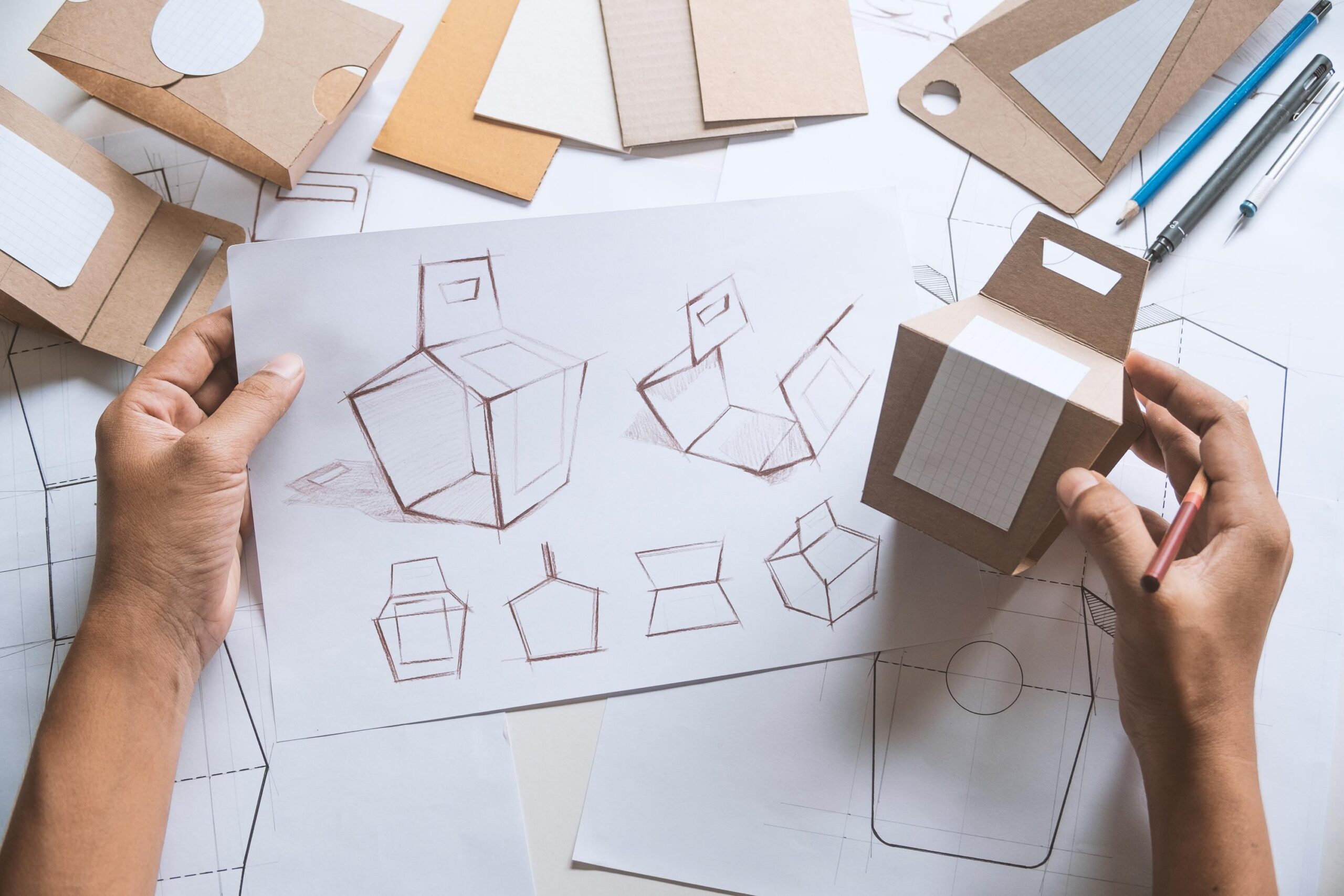
Rapid prototyping allows you to test and refine designs quickly. This phase is crucial for identifying potential issues before full-scale production. Use 3D models and mock-ups to visualize the final product and make necessary adjustments. This iterative process helps ensure the final display meets all expectations without costly errors.
Display Engineering Essentials
Engineering involves detailed planning and precision. It’s about ensuring that your design is not only visually appealing but also structurally sound and practical. Collaborate with engineers early to address potential challenges, such as stability and durability. This collaboration helps bring your vision to life efficiently and effectively.
Manufacturing and Material Selection
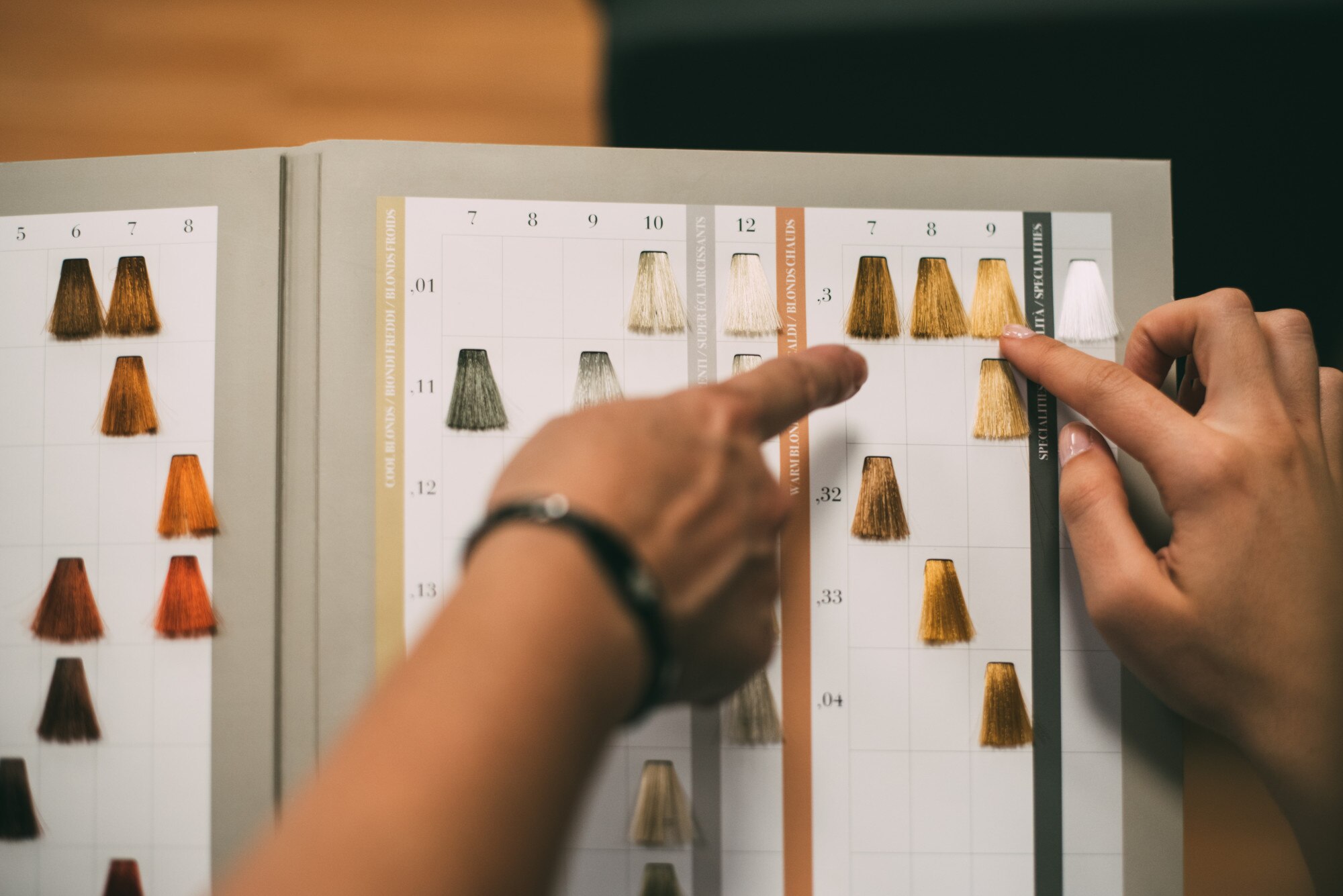
Choosing the right materials is vital. Each material, whether acrylic, metal, or wood, offers different benefits and aesthetics. Consider factors like durability, ease of assembly, and cost. The right choice will support your display’s design and functionality, ensuring it performs well in a retail environment. For more on material options, visit our material guide.
Logistics and Retail Compliance
After production, focus shifts to logistics and compliance. Efficient strategies and adherence to standards ensure smooth delivery and installation across all retail locations.
Efficient Retail Logistics Strategies
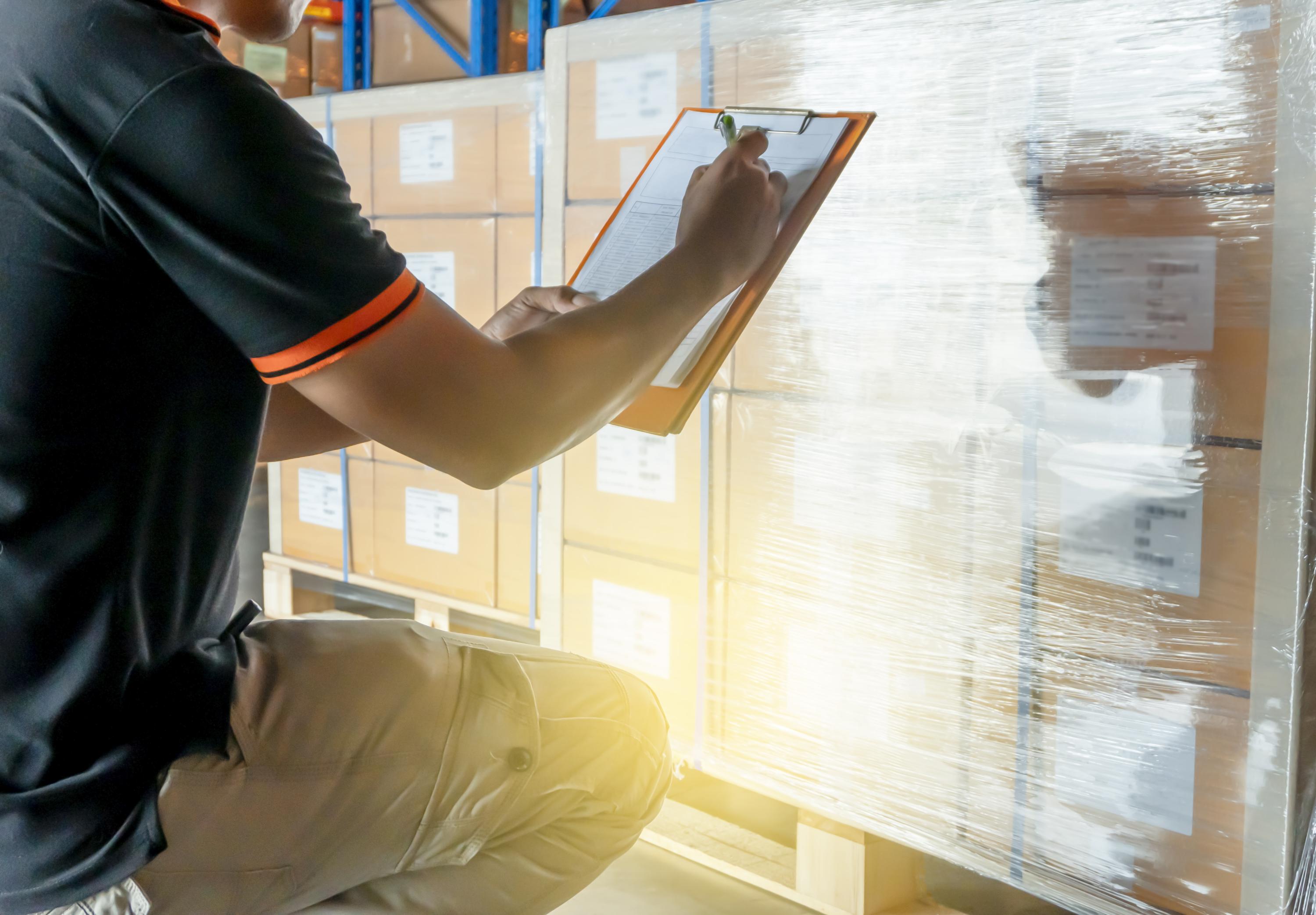
Effective logistics require careful planning. Coordinate with logistics partners to manage timelines and delivery schedules. Utilize kitting and packout services to streamline the process, reducing errors and delays. These strategies keep your rollout on track, ensuring displays are ready when needed.
Ensuring Retailer Compliance Standards
Compliance is crucial for meeting retailer requirements. Familiarize yourself with each retailer’s standards to avoid costly setbacks. Ensure your displays meet specifications for size, safety, and branding. This attention to detail prevents issues that could delay deployment or lead to additional costs.
Multi-Store Deployment and Rollout
Deploying across multiple locations requires thorough coordination. Plan for consistent execution to maintain brand integrity. Use scalable solutions that adapt to different store layouts and environments. This approach ensures a uniform brand experience, enhancing your display’s impact across all locations. For a deeper dive into multi-store deployment, consider this ultimate guide.
Frequently Asked Questions
What are the key steps in creating a custom POP display?
Creating a custom POP display involves setting clear objectives, designing with visual impact, budgeting, prototyping, engineering, material selection, logistics, and compliance. Each step ensures the display is effective and meets retail standards.
How important is prototyping in the display design process?
Prototyping is crucial as it allows testing and refining designs before full-scale production. It helps identify potential issues early, saving time and costs while ensuring the final product meets expectations.
What factors should I consider when choosing materials for a display?
Consider the display’s purpose, desired aesthetics, durability, and budget when choosing materials. Each material, like acrylic, metal, or wood, offers unique benefits and should align with your brand’s goals and retail environment.
How can I ensure my displays meet retailer compliance standards?
Familiarize yourself with each retailer’s specifications, including size, safety, and branding requirements. Adhering to these standards prevents delays and additional costs, ensuring a smooth rollout.
What are the benefits of a multi-store rollout strategy?
A multi-store rollout ensures consistent brand representation across locations, enhancing the display’s impact. It involves planning for uniform execution and adaptability to different store environments, maximizing the display’s effectiveness.