
 by Admin
Choosing the Right POP Display Structure for Your Retail Environment
Choosing the right POP display structure shapes how shoppers see your brand—and how they buy. Many retail teams lose sales by picking displays that don’t fit their space, product, or shopper flow. This guide breaks down key factors to help you select retail display structures that boost engagement and drive results. Keep reading to learn how Precision Retail Group supports your success from design to delivery.
Understanding Your Display Objectives
To create effective displays, you must first understand your objectives. This section will help you lay the groundwork for selecting the right POP display.
Define Your Retail Goals
Your retail goals dictate your display choices. Determine whether you aim to boost sales, enhance brand visibility, or promote a new product. Each goal requires a different approach. For instance, if boosting sales is your main focus, a floor display can maximize product exposure. On the other hand, if promoting a new product is key, consider a countertop display for high visibility. By clarifying your goals, you can choose displays that align with your priorities.
Mapping the Shopper Journey
Understanding how shoppers navigate your store is crucial. Are they drawn to certain areas or do they follow a specific path? By identifying these patterns, you can strategically position displays to capture attention. Consider placing endcap displays at the end of aisles to attract shoppers as they turn corners. Additionally, inline displays can guide their journey and increase engagement. Mapping the shopper journey ensures your displays are seen and interacted with effectively.
Aligning Structure with Store Location
The location within your store affects display success. Analyze your store’s layout: Is it spacious or compact? Large spaces might benefit from pallet displays that highlight bulk items, while smaller areas could use knockdown displays for flexibility. Additionally, the proximity to entrances or checkout areas can boost visibility. Aligning display structure with store location optimizes shopper interaction and enhances the overall shopping experience.
Choosing the Right Display Format
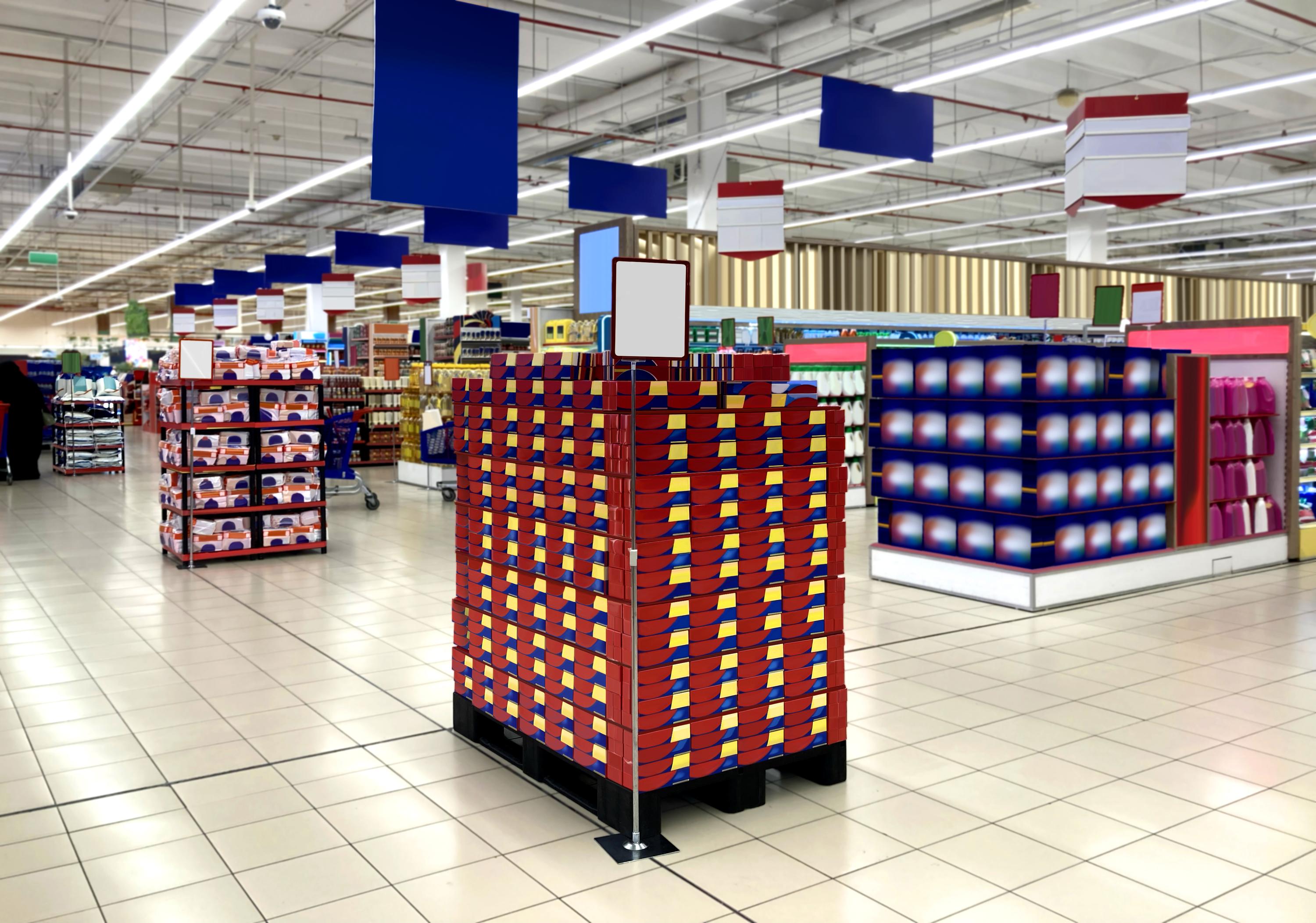
Once your objectives are clear, it’s time to select the appropriate display format. This section explores key considerations for choosing the right format.
Footprint Considerations
The available floor space dictates the types of displays you can use. POP displays need to fit seamlessly without obstructing pathways. Measure your space carefully to determine if a ship-flat display is necessary for easy setup and relocation. If space is tight, a modular display can adapt and grow with your needs. Considering the footprint ensures your displays are both functional and appealing.
Lifecycle and Material Selection
The longevity of your display depends on its materials. Do you need a temporary display for a short-term campaign or a permanent display for ongoing promotions? Materials like acrylic, metal, and wood offer different durability levels. Choose sturdy materials for long-term use or lightweight options for easy updates. By aligning materials with your display’s lifecycle, you ensure both durability and cost-effectiveness.
Engineering for Product Realities
Your display must accommodate product specifics. Are your items heavy, delicate, or unusually shaped? A retail display structure should support and showcase your products effectively. Ensure the engineering considers weight capacity and stability. For example, metal displays provide robust support for heavier products. Engineering displays around product realities prevent damage and enhance the shopper experience.
Designing for Practicality and Sustainability
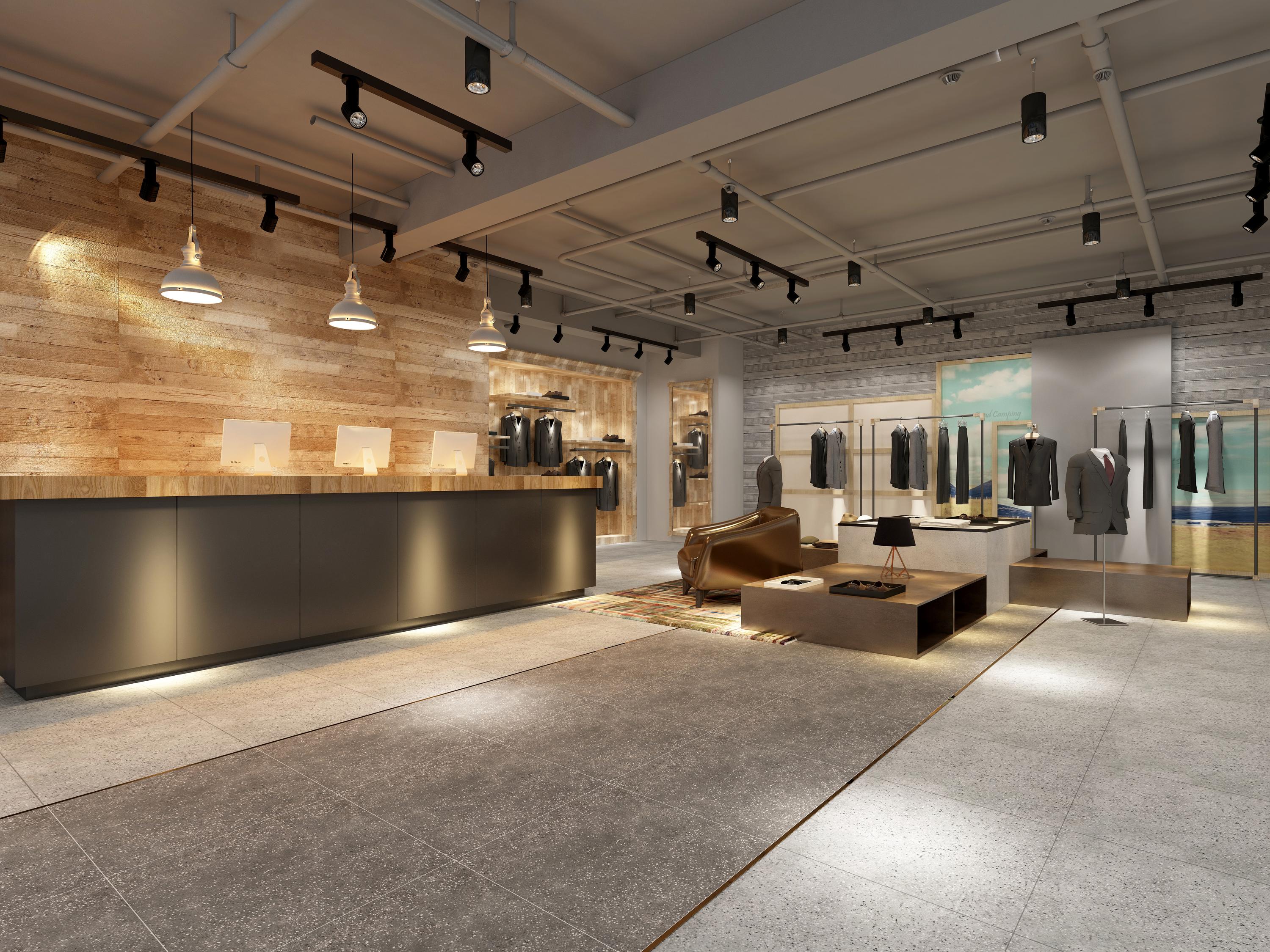
Design is not just about aesthetics; it’s also about practicality and sustainability. This section guides you in creating displays that are both functional and eco-friendly.
Graphics, Messaging, and Scalability
Effective displays communicate your message clearly. Use bold graphics and concise text to convey your brand’s story. Consider scalability: Can your display adapt to different campaigns? Visual merchandising should be dynamic, allowing you to adjust messaging as needed. This flexibility ensures long-term relevance and cost savings.
Budgeting and Prototyping Strategies
Budgeting is crucial for display production. Determine your budget early and explore cost-effective materials and designs. Prototyping lets you test designs before full production. It reduces risks and ensures the final product meets your expectations. By investing in prototyping, you avoid costly mistakes and optimize your budget.
Embracing Eco-Friendly Display Options
Sustainability is increasingly important in retail. Opt for eco-friendly displays to reduce your environmental impact. Choose sustainable materials like recycled plastics or FSC-certified wood. These choices appeal to eco-conscious shoppers and reflect positively on your brand. Embracing sustainability enhances your brand’s reputation and supports environmental responsibility.
Frequently Asked Questions
What are the benefits of using POP displays?
POP displays enhance brand visibility, drive sales, and engage shoppers. They strategically position products to capture attention and promote impulse purchases.
How do I choose the right material for my display?
Consider the display’s purpose and duration. Temporary displays may use lightweight materials like cardboard, while permanent displays benefit from durable materials like metal or wood.
How can I ensure my display aligns with my store layout?
Map the shopper journey and strategically place displays in high-traffic areas. Ensure they fit seamlessly within the space without obstructing pathways.
What is the importance of prototyping in display design?
Prototyping allows you to test and refine designs before full production. It minimizes risks, ensures design accuracy, and optimizes your budget.
How can I incorporate sustainability into my display strategy?
Choose eco-friendly materials such as recycled plastics or FSC-certified wood. These options appeal to eco-conscious consumers and enhance your brand’s reputation.
For more insights on selecting the right POP display for your retail environment, check out this practical guide.