
 by Admin
The Practical Guide to Choosing the Right POP Display for Your Retail Environment
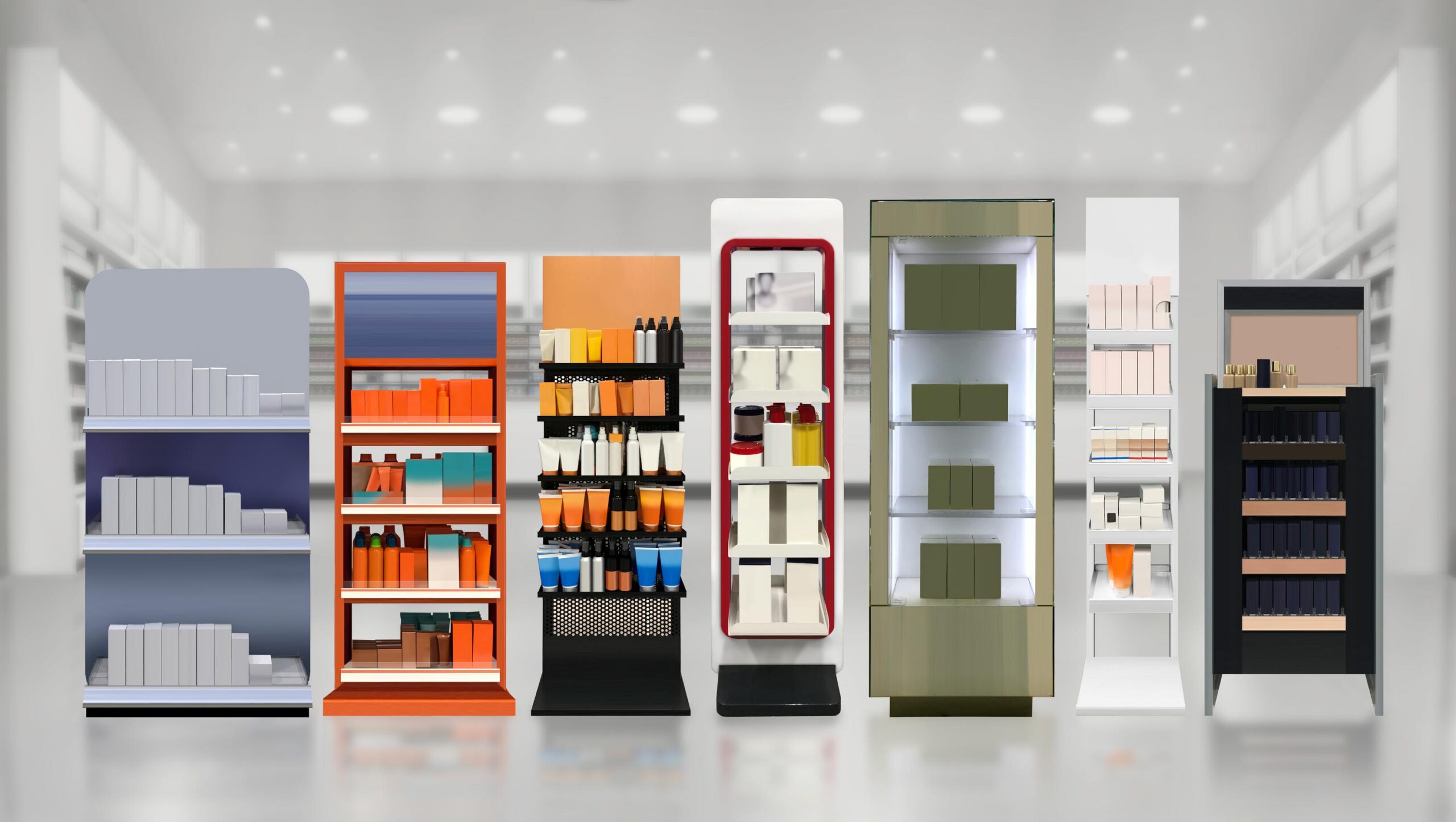
Most POP displays fail to grab attention or fit your store’s unique needs. You know a display isn’t just a box—it’s a key tool to boost sales and brand presence. This guide breaks down how to choose the right retail display solutions by objective, materials, placement, and rollout strategy. Ready to match the right display to your goals and space? Contact Precision Retail Group to schedule a consultation, get a right-sized POP plan, and request a fast quote.
Understanding Your POP Display Needs
Choosing the right POP display means understanding your unique needs. This involves setting clear objectives, finding the ideal placement, and considering the right materials for durability.
Define Your Display Objectives
First, determine what you want your POP display to achieve. Are you introducing a new product, boosting sales, or enhancing brand visibility? Each goal requires a different approach. For instance, launching a product might need an eye-catching design that highlights unique features. In contrast, boosting sales might call for displays that encourage impulse buying. Once your objectives are clear, you can tailor designs to meet them effectively. Understanding your objectives helps in selecting the right type of display, whether it’s a floor display or an endcap display.
Determine Optimal Display Placement
Placement is crucial in the effectiveness of your POP display. The location within a store can greatly influence customer interaction. Consider areas with high foot traffic for maximum exposure. For example, placing displays near checkout counters can drive last-minute purchases. Alternatively, aisle ends or entry points are great spots to capture attention. The goal is to ensure that your display is easily visible and accessible, encouraging customers to engage with your products.
Consider Material and Durability
Materials play a pivotal role in the longevity and appearance of your display. Whether you choose acrylic displays for a sleek look, metal displays for durability, or wood displays for a natural appeal, each offers unique benefits. Metal retail displays provide strength and are great for heavy products. In contrast, wood displays add warmth and are ideal for creating an inviting atmosphere. Choose materials that align with your brand and product needs, ensuring they withstand the retail environment.
Budgeting and Display Options

Understanding costs and how they align with your long-term needs is essential. This section will help you weigh costs against longevity and explore different display options.
Evaluating Cost vs. Longevity
When budgeting for displays, consider the balance between upfront costs and long-term value. Temporary displays might cost less initially but could require frequent replacements. On the other hand, investing in permanent displays could save money over time due to their durability. Assess your budget against the display’s lifespan to make informed decisions. Think about the total cost of ownership, not just the initial price.
Choosing Between Temporary and Permanent Displays
Deciding between temporary and permanent displays depends on your campaign goals. Temporary displays are perfect for short-term promotions or seasonal products. They’re cost-effective and can be easily updated. Permanent displays are best suited for products with a long shelf life or evergreen promotions. They provide a stable brand presence and can withstand years of use. Evaluate your marketing strategy to choose the right fit for your needs.
Exploring Modular and Eco-Friendly Solutions
Modular and eco-friendly solutions are gaining popularity. Modular displays offer flexibility; they can be reconfigured to suit different products or spaces, maximizing your display investment. Eco-friendly displays appeal to environmentally conscious consumers and can enhance your brand’s reputation. By choosing sustainable materials, you demonstrate a commitment to the planet, which can resonate with your audience. Explore these options to align your displays with modern values.
Effective Rollout and Partnering
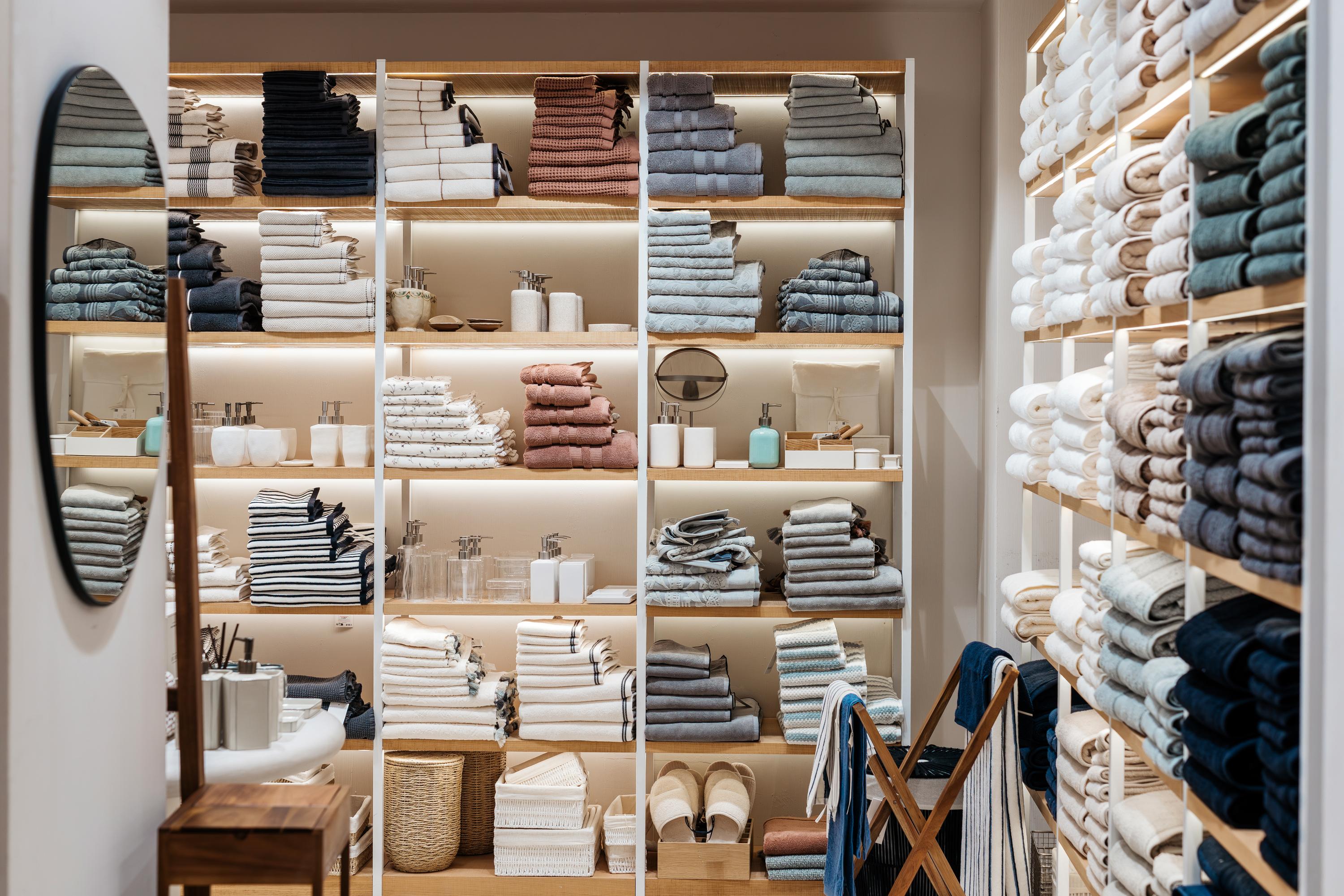
Implementing your display strategy involves a smooth rollout process and choosing the right partners. This ensures your displays are effective and efficiently placed.
Prototype to Production Process
The journey from prototype to production is critical. It involves refining designs to ensure they meet your objectives and are feasible for production. Collaborate with a trusted display manufacturer to develop prototypes that match your vision. This stage allows for adjustments and ensures that the final product is ready to meet retail challenges. Precision Retail Group can guide you through this process, ensuring your displays are both effective and attractive.
Store Rollout Logistics
Logistics play a vital role in the success of your display strategy. Coordinating delivery and installation across multiple locations requires careful planning. Consider factors like timing, shipping costs, and installation requirements. Effective logistics ensure that your displays are set up correctly and on time, maximizing their impact. Partnering with a company experienced in store rollout logistics ensures a smooth execution.
Partnering with a Trusted Display Manufacturer
Choosing the right partner can make or break your display strategy. A reliable manufacturer offers expertise, quality, and support throughout the process. They help translate your vision into practical solutions, ensuring that your displays align with your brand goals. Precision Retail Group provides comprehensive services from design to delivery, making them a trusted partner for impactful retail displays. Their proven track record and diverse material expertise ensure that your displays drive engagement and sales.
Frequently Asked Questions
What are POP displays?
POP displays, or Point of Purchase displays, are marketing tools used in retail environments to attract customers and promote products. They are strategically placed to influence buyer decisions at the point of sale.
How do you determine the right placement for a display?
Ideal placement depends on factors like foot traffic and product type. High-traffic areas such as checkout counters or aisle ends are effective for maximizing visibility and engagement.
What materials are best for durable displays?
Materials like metal and wood provide durability, with metal offering strength for heavy products and wood adding a natural, inviting aesthetic. The choice depends on your brand’s needs and the retail environment.
Why choose modular displays?
Modular displays offer flexibility as they can be reconfigured for different products or spaces. This adaptability makes them a cost-effective option that can be reused for various campaigns.
How can a display manufacturer help with rollout logistics?
A display manufacturer assists with coordinating delivery and installation, ensuring that displays are correctly set up across multiple locations. This expertise streamlines the process and maximizes display effectiveness.