
 by Admin
A Practical Guide to Choosing the Right POP Display for Your Retail Environment
Most POP displays underperform because they miss key fit and function factors critical to your retail environment. Your merchandising strategy needs displays that capture attention and guide shoppers to buy. This guide breaks down how to select point of purchase displays that boost conversions and align with your brand’s goals. For more information, visit Precision Retail Group.
Understanding POP Display Options
Choosing the right POP display can make a significant difference in your retail strategy. It’s crucial to understand the options available to make the best choice for your needs.
Types of POP Displays
POP displays come in various formats, each serving a unique purpose. Countertop displays are perfect for small items near the checkout area, encouraging impulse buys. Floor displays offer larger space for showcasing products in high-traffic areas. Endcap displays are strategically placed at the end of aisles to capture shopper attention. Each type serves to enhance shopper experience and boost sales.
Pallet displays are another popular option, commonly used for promoting bulk items. They are versatile and can be positioned anywhere in the store, providing flexibility. Modular displays offer adaptability, allowing you to adjust the setup based on different products and promotions. By selecting the right type of display, you can effectively engage customers and increase your store’s conversion rate.
Choosing the Right Materials
Selecting the right materials for your displays is just as important as choosing the type. Each material offers distinct advantages. Acrylic displays are sleek and modern, perfect for high-end products. They provide a clear view of the merchandise, making it appealing to customers. Metal displays are durable and sturdy, ideal for heavy products that require strong support.
Wood displays add a touch of warmth and are often used in stores that want to convey a natural or rustic feel. The choice of material should align with your brand’s image and the products you offer. For detailed guidance on selecting materials, visit this practical guide.
Temporary vs. Permanent Displays
Understanding the difference between temporary and permanent displays is essential. Temporary displays are typically used for short-term promotions or seasonal items. They are cost-effective and can be easily replaced or updated. Permanent displays, on the other hand, are built to last and provide a consistent brand presence in-store.
Choosing between temporary and permanent displays depends on your promotional strategy and budget. Temporary displays offer flexibility for frequent changes, while permanent displays provide a stable showcase for long-term product lines.
Designing Effective Retail Displays
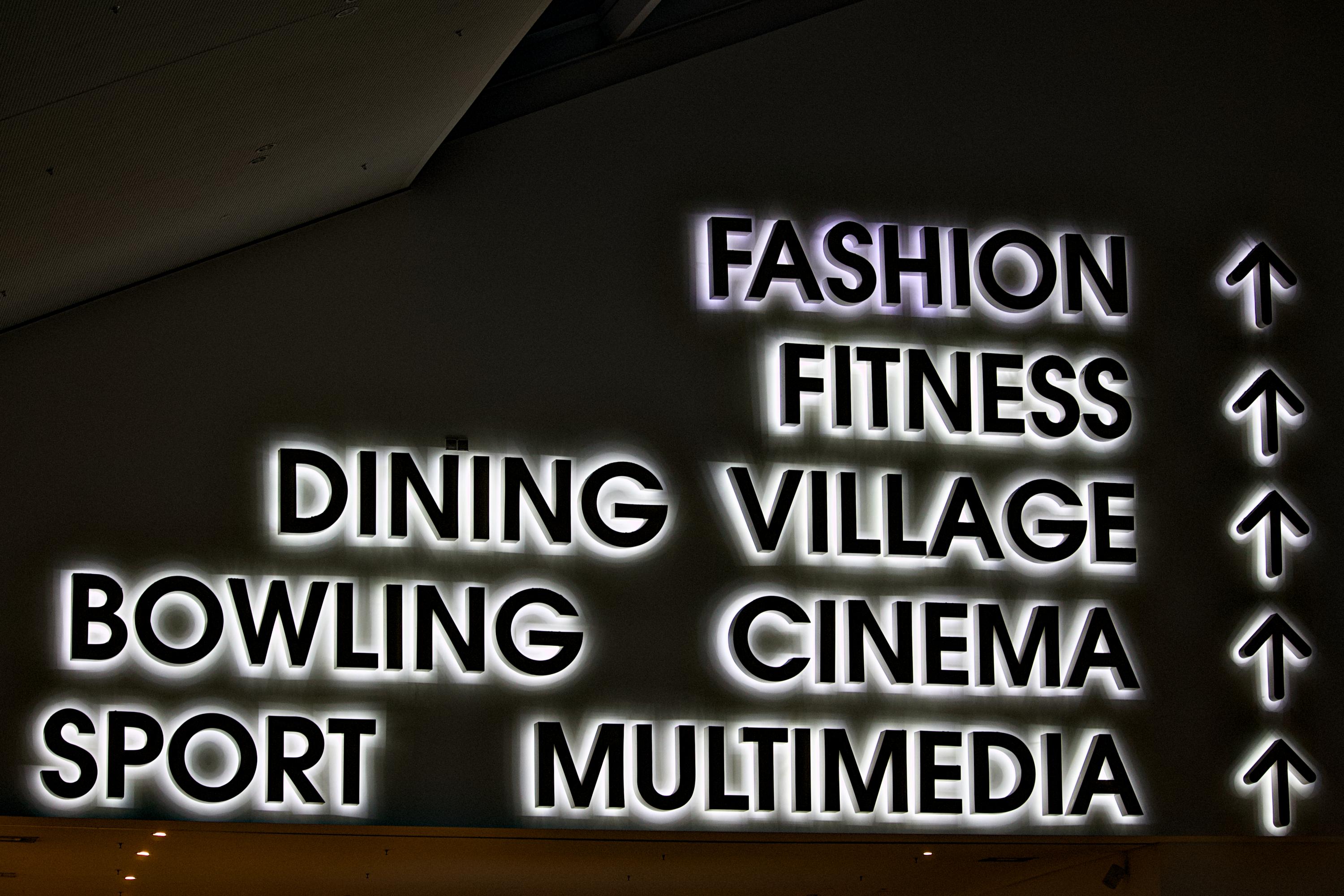
Once you’ve chosen your POP display options, the next step is to design them for maximum impact in your retail space.
Visual Merchandising Strategies
Visual merchandising is key to attracting customers and encouraging purchases. Effective strategies prioritize product visibility and accessibility. Arrange products at eye level to draw immediate attention. Use contrasting colors to highlight specific items and guide the shopper’s journey through your store. Incorporating dynamic lighting can also emphasize featured products, making them stand out.
Consider the flow of your store and place displays in strategic locations where they are most likely to catch the shopper’s eye. This approach not only enhances the shopping experience but also increases the likelihood of purchases.
Enhancing Shopper Engagement
Engaging customers through innovative display methods can lead to higher sales. Interactive retail displays are gaining popularity for their ability to involve customers in the shopping experience. These displays often include touch screens or QR codes that provide additional product information or promotions.
By creating a more engaging shopping environment, you encourage customers to spend more time in your store, exploring your products and ultimately increasing the chances of a purchase. Learn more in this guide to retail POP displays.
Custom Solutions for Unique Needs
Every retail environment is different, and custom retail displays offer tailored solutions that meet your specific requirements. Customization allows you to create a display that not only fits your brand’s aesthetic but also aligns with your unique marketing goals.
Working with a partner like Precision Retail Group ensures that your custom displays are designed and manufactured to your specifications, providing an effective solution that enhances brand visibility and drives sales.
Implementing Your Display Strategy
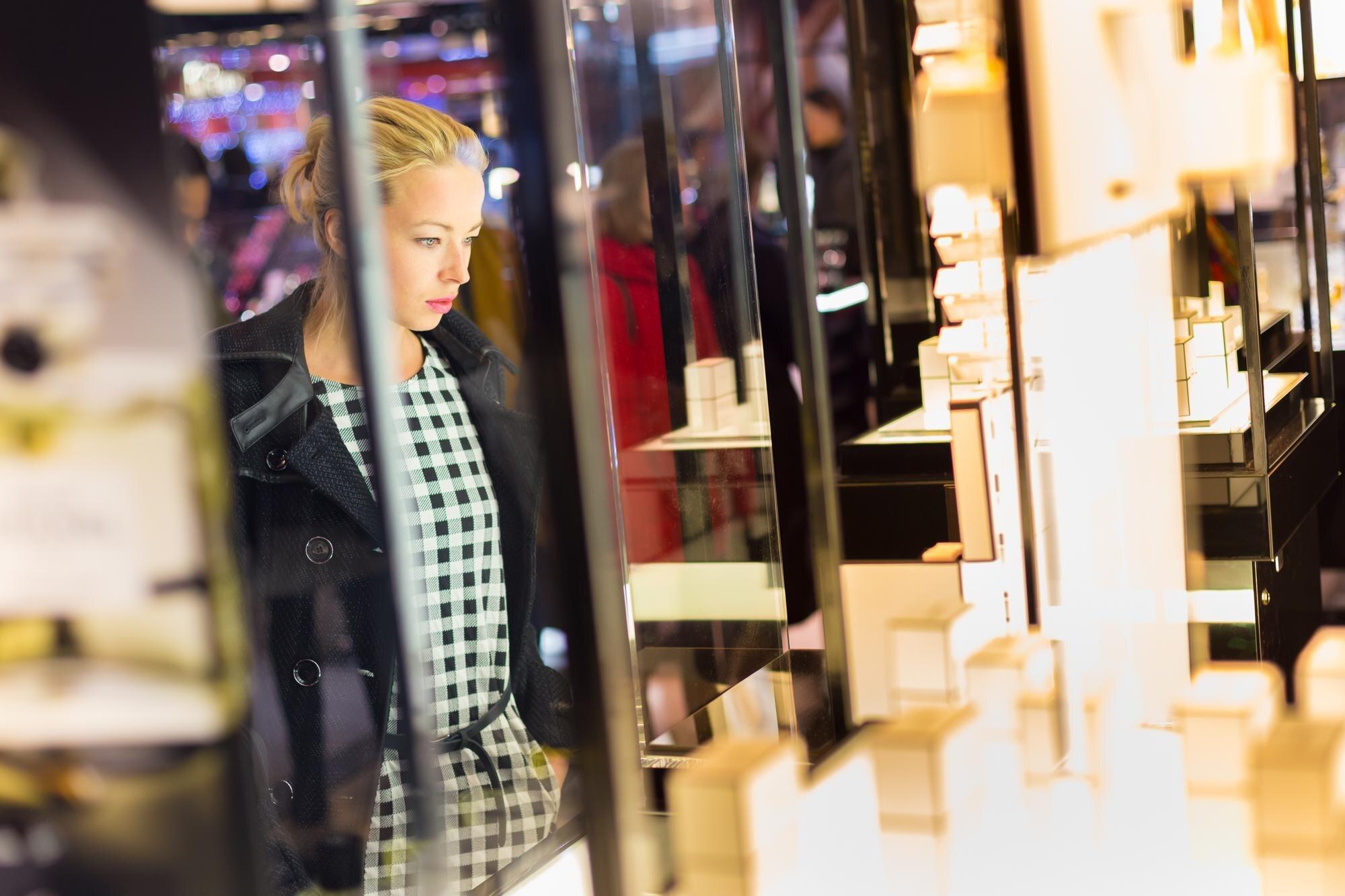
With your displays designed, it’s time to implement them effectively within your retail space.
Planning and Prototyping
Planning is the cornerstone of a successful display strategy. Begin by prototyping your display concepts to visualize how they will look and function in your store. This step helps identify potential issues and make necessary adjustments before full-scale production. A well-planned prototype ensures that the final product meets your expectations and aligns with your strategic goals.
Manufacturing and Fulfillment
Manufacturing quality displays require choosing the right partner. Precision Retail Group specializes in display design and manufacturing, providing reliable solutions that meet industry standards. From production to fulfillment, every step is managed to ensure your displays are delivered on time and in perfect condition.
Scheduling Display Strategy Call
The final step in your display journey is to schedule a strategy call with experts. This call will help you fine-tune your approach, ensuring your displays are not only attractive but also effective in driving sales. The longer you wait, the more opportunities you miss to enhance your retail environment.
Frequently Asked Questions
What are the benefits of using POP displays?
POP displays grab customer attention and promote spontaneous buying decisions, increasing sales.
How do I choose the right material for my displays?
Consider your product’s weight, brand image, and store aesthetic to select between acrylic, metal, or wood.
What is the difference between temporary and permanent displays?
Temporary displays are for short-term use, while permanent displays are designed for long-term product presentation.