

 by Admin
Concept to Store Floor: A Proven Plan for Retail Display Rollouts
Concept to Store Floor: A Proven Plan for Retail Display Rollouts
Most retail display rollouts stumble when planning stops at concept. Your POP displays deserve more than guesswork—precise coordination from prototype to production drives success. This post lays out a clear roadmap to manage custom retail displays, nationwide installation, and store rollout logistics. Partner with Precision Retail Group to turn your visual merchandising plans into seamless, measurable results. Learn more about planning successful rollouts in this guide.
From Concept to Production

Creating a retail display that stands out starts with a strong concept. You want a design that not only looks good but also effectively showcases your products. Here’s how to make that happen.
Creating Custom Retail Displays
Every great display begins with a unique idea. Custom retail displays should reflect your brand and engage customers. Consider what makes your products special and how that can be translated into a physical setup. Think about the materials you want to use—acrylic, metal, or wood—and how they can highlight your products. By crafting displays that align with your brand’s identity, you ensure a cohesive shopping experience. Start by sketching ideas and gathering feedback from your team. This collaborative approach can spark creativity and lead to innovative solutions.
Prototyping and Testing Phases
Once you have a design, the next step is to bring it to life. Prototyping allows you to see how your display will look and function in real-world settings. During this phase, test the durability and functionality of your design. Ensure that the display can handle the weight of your products and withstand customer interactions. This is your chance to make adjustments before full-scale production. It’s an opportunity to refine the details that make your display both attractive and practical. Testing ensures your display will perform well in stores.
Packaging and Planogram Compliance
After prototyping, focus on packaging. Effective packaging protects your display during transit and ensures it arrives in perfect condition at each location. Consider using eco-friendly materials to support sustainability efforts. Additionally, your display should comply with store-specific planograms. This ensures your setup fits perfectly in its designated space, allowing for a seamless integration into the retail environment. Proper packaging and compliance ensure your displays are store-ready, minimizing setup time and maximizing impact.
Logistics and Installation
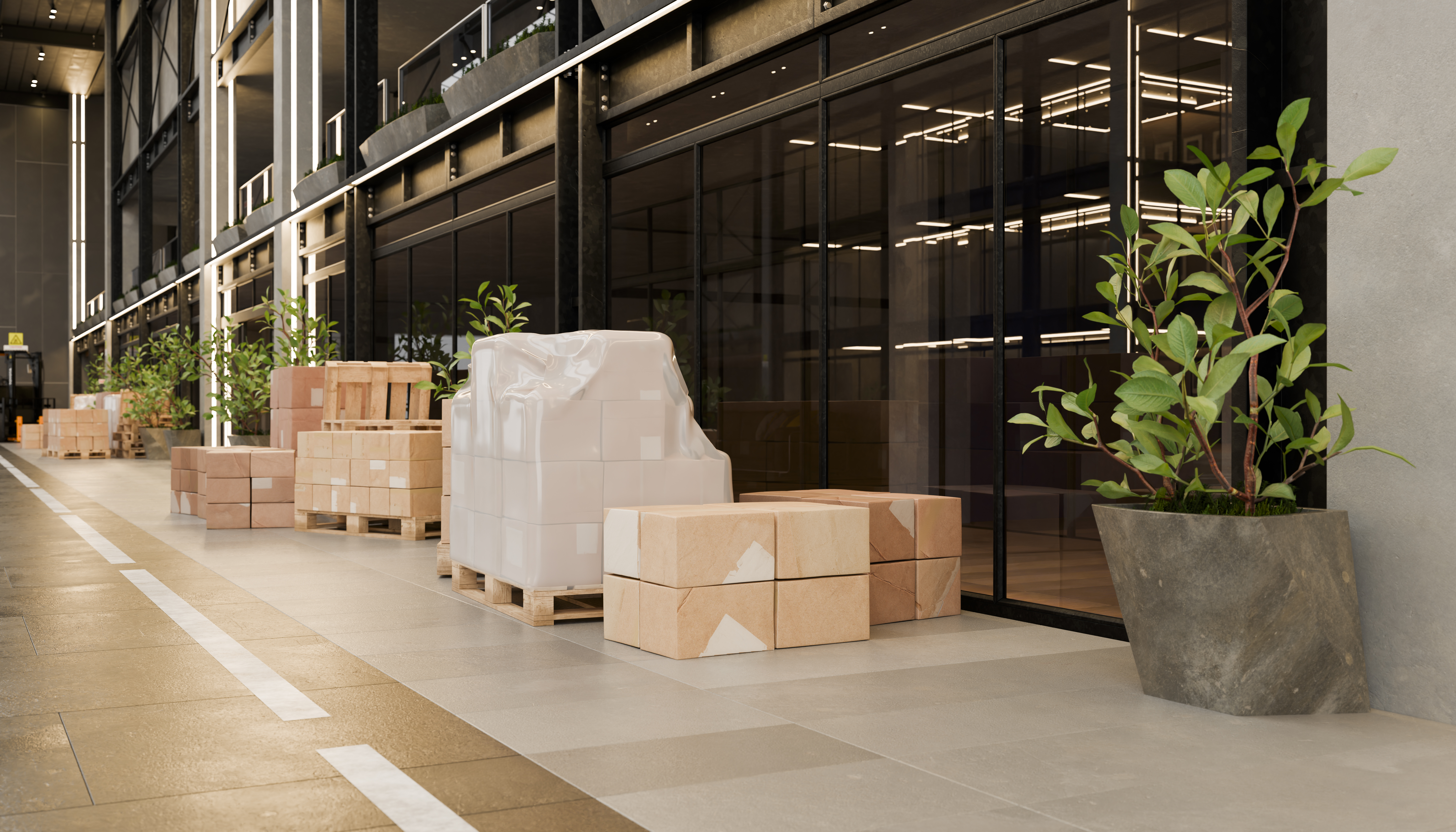
Once your displays are ready, the next challenge is getting them to stores efficiently. Proper logistics and on-site setup are crucial for a successful rollout. Here’s how to do it right.
Store Rollout Logistics Planning
Effective logistics planning is key to a smooth rollout. Start by mapping out the delivery schedule, ensuring that each store receives its displays on time. Consider factors like store locations, delivery windows, and any specific requirements from retailers. Keeping communication lines open with all parties involved can prevent delays and missteps. A well-organized logistics plan ensures that your displays are where they need to be, when they need to be there, reducing the risk of disruptions.
Nationwide Installation Coordination
Coordinating installation across multiple locations requires precision. To ensure consistency, provide detailed instructions for setup. Training store staff or hiring a professional installation team can help maintain quality control. Consistency across locations is crucial for brand image. Installation coordination means setting up displays correctly without damaging them, ensuring each store presents your product in the best light.
Kitting and Fulfillment Solutions
Kitting involves packaging all components needed for each display into a single kit. This simplifies the installation process and reduces errors. Each kit should contain everything from assembly tools to instructions. Fulfillment solutions focus on efficiently distributing these kits to each store. Partnering with a reliable logistics provider can enhance this process, ensuring timely and accurate delivery. Proper kitting and fulfillment streamline the entire rollout, making it efficient and hassle-free.
Post-Launch Success
After your displays are set up, focus shifts to maintaining their impact. Post-launch strategies ensure your displays continue to attract and convert customers.
Quality Assurance Practices
Quality assurance is about maintaining standards. Regularly inspect displays to ensure they’re in good condition. Implement a reporting system for store staff to flag issues early. Addressing problems swiftly minimizes downtime and keeps displays looking their best. Consistent quality checks ensure that your investment continues to deliver returns over time.
Post-Launch Retail Optimization
Once displays are live, gather data on their performance. Look at sales figures, customer feedback, and interaction patterns. Use this data to make informed tweaks to your displays. Perhaps a slight repositioning or a change in product arrangement could enhance visibility and engagement. Continual optimization ensures your displays remain effective and responsive to market trends.
Schedule Your Consultation Today
Ready to elevate your retail presence? The longer you wait, the more opportunities you miss. Let us help transform your vision into reality with our comprehensive services. Whether you need custom designs or expert logistics, Precision Retail Group is your partner for success. Schedule a consultation and explore how our turnkey solutions can drive your next rollout.