
 by Admin
Interactive Digital Retail Displays: 9 Trends Elevating the Shopper Journey in 2026
Interactive Digital Retail Displays: 9 Trends Elevating the Shopper Journey in 2026
Forget the old static displays that fail to engage shoppers. Today’s interactive retail displays blend technology and design to captivate buyers and boost sales. You’ll find 9 key trends reshaping digital POP displays, from RFID and NFC to touchscreen kiosks, that can transform your store’s presence. Let’s explore how these innovations can elevate shopper engagement and deliver measurable retail analytics for your brand. For more insights, check out these digital signage trends.
Future of Interactive Retail Displays
Interactive retail displays are changing the shopping experience. As technology advances, these displays become more engaging and effective at driving sales. Let’s dive into some key elements of this shift.
Touchscreen Kiosks and Engagement
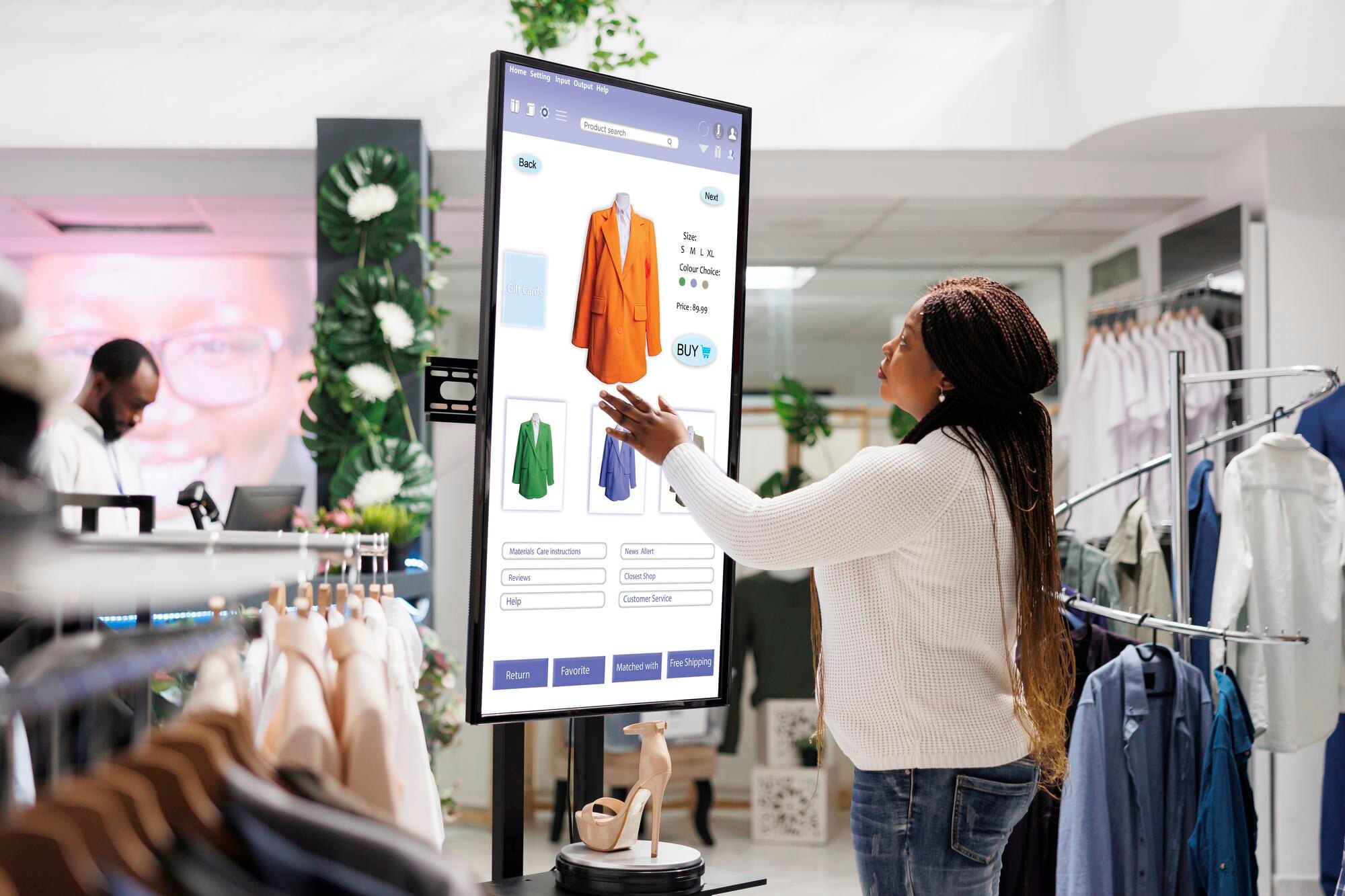
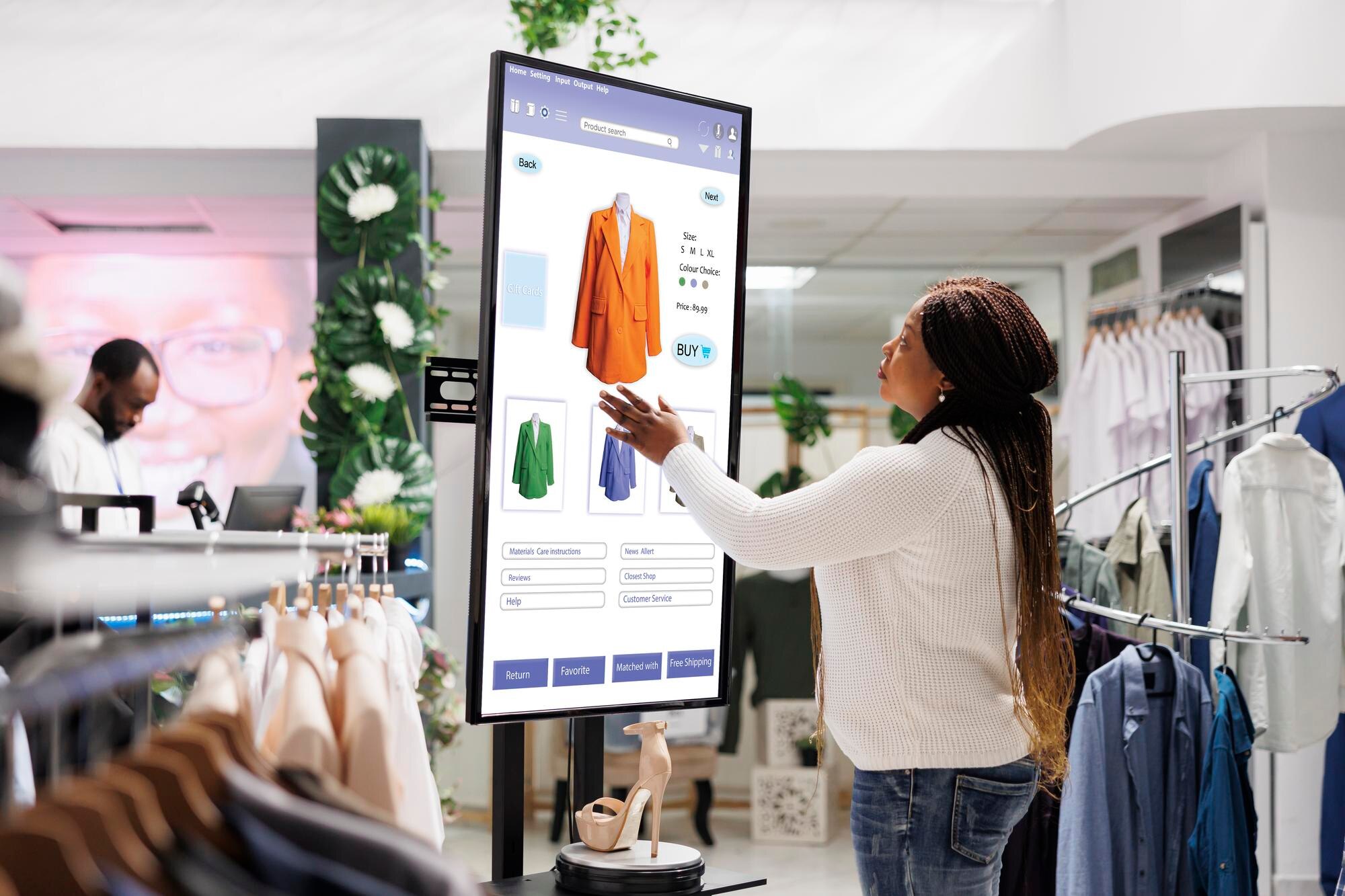
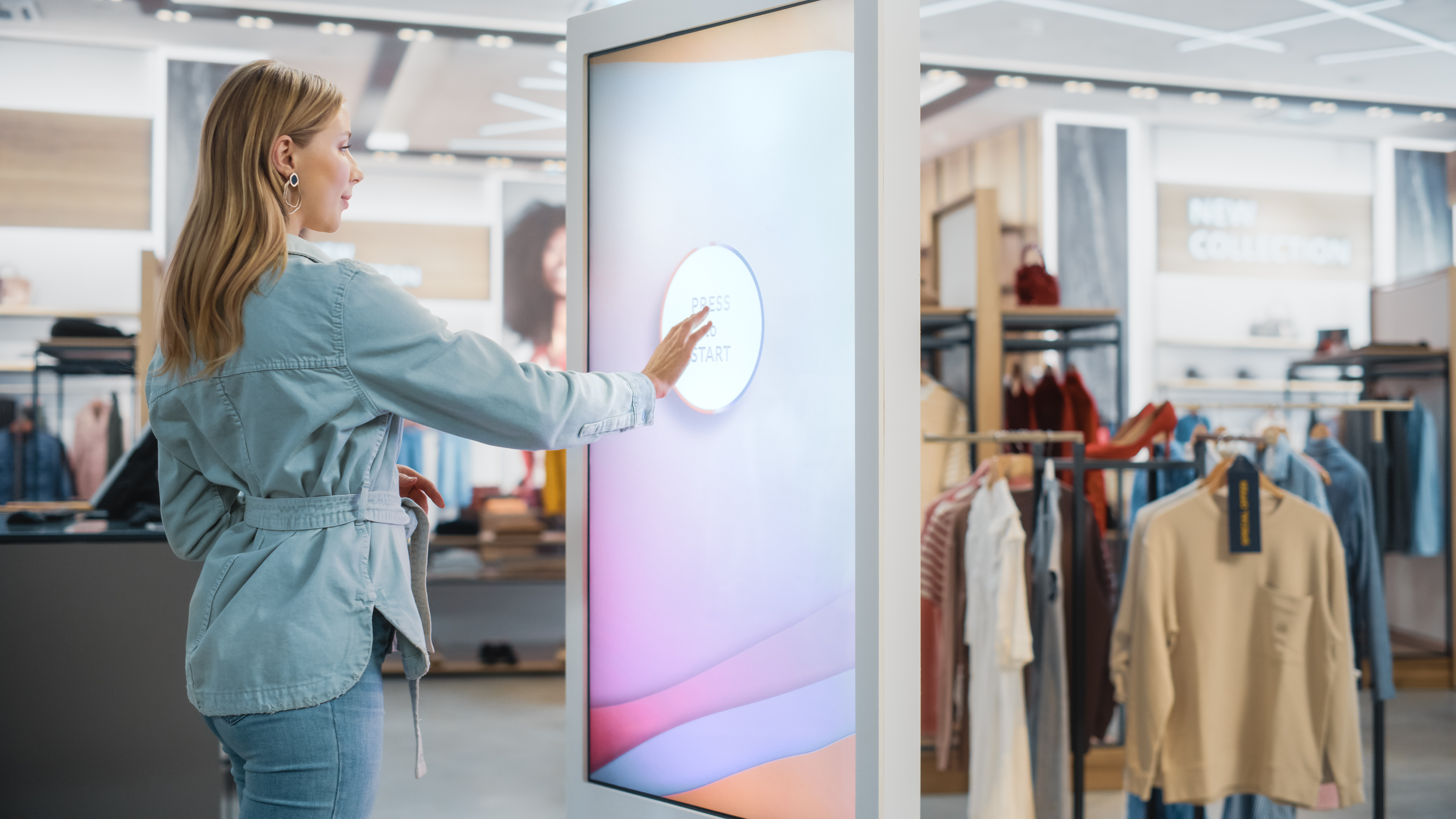
Touchscreen kiosks are transforming how customers interact with products. Imagine walking into a store and instantly accessing product details at your fingertips. These kiosks offer just that, providing vital information to help shoppers make informed decisions.
Incorporating these kiosks into your retail strategy can significantly boost engagement. Customers enjoy the convenience of self-service. They can check pricing, availability, and even product comparisons without waiting for assistance. This seamless interaction keeps them engaged longer, increasing the likelihood of a purchase.
Additionally, touchscreen kiosks are perfect for capturing valuable data. Every interaction provides insights into shopper preferences and behavior. This information can enhance your marketing strategies, making them more targeted and effective.
QR Codes Enhancing Mobile Experience
QR codes are straightforward yet powerful tools for engaging customers through their mobile devices. These codes bridge the gap between physical and digital shopping experiences, allowing customers to explore more about a product with a simple scan.
When strategically placed, QR codes can guide shoppers to exclusive online content. Think product videos, detailed reviews, or even special discounts. This added layer of information enriches the shopping journey, making it more personalized and informative.
Furthermore, QR codes are cost-effective to implement. They don’t require significant infrastructure changes, making them an attractive option for retailers looking to enhance mobile engagement.
RFID and NFC for Seamless Interactions
RFID and NFC technologies are game-changers in retail. They allow for seamless interactions without the need for physical contact. Imagine a shopper picking up a product and instantly viewing related items or promotions on a nearby screen.
These technologies streamline the shopping process, reducing checkout times and improving inventory management. Shoppers appreciate the ease and speed, while retailers benefit from increased operational efficiency.
Moreover, RFID and NFC can help reduce theft and loss. By tracking inventory with precision, stores can maintain optimal stock levels, ensuring popular items are always available. For a deeper understanding of retail tech trends, explore these insights.
Advancements in Sensor-Based Merchandising
As we move further into the digital age, sensor-based merchandising is becoming increasingly important. Let’s explore some ways retailers are leveraging this technology to enhance the shopping experience.
AI-Driven Personalization Tactics
Artificial Intelligence (AI) is at the forefront of personalization. It helps retailers deliver tailored experiences that resonate with individual shoppers. Imagine a system that learns your preferences and suggests products you didn’t even know you needed.
AI-driven systems analyze customer data to identify patterns and predict future behavior. This enables retailers to offer personalized recommendations, boosting satisfaction and sales. Implementing AI in your store could make your offerings more relevant to each shopper’s unique needs.
Additionally, AI can optimize store layouts and product displays. By understanding customer traffic patterns, retailers can strategically place products to maximize visibility and sales.
Beacons and Geofencing Strategies
Beacons and geofencing are essential tools for guiding customer journeys within a store. These technologies use location data to send targeted messages to nearby shoppers. Imagine walking past a store and receiving a notification about an exclusive sale on your phone.
Implementing these strategies can increase foot traffic and boost in-store engagement. Shoppers feel valued when they receive personalized offers and recommendations based on their location. This can lead to higher conversion rates and customer loyalty.
Moreover, beacons and geofencing provide valuable insights into shopper behavior. Retailers can track how customers move through the store, identifying popular areas and optimizing layouts accordingly.
Leveraging Edge Computing for Retail Analytics
Edge computing is a powerful tool for analyzing retail data in real-time. It processes data closer to the source, allowing retailers to quickly adapt to changing conditions. Imagine adjusting your store’s promotions based on real-time sales data.
This technology can enhance decision-making by providing instant access to crucial information. Retailers can optimize pricing, inventory, and marketing strategies on the fly, improving efficiency and profitability. If you want to learn more about top digital signage trends, check out this helpful resource.
Designing Effective Digital POP Displays
Design is crucial when it comes to digital POP displays. Let’s explore some strategies for creating displays that captivate and convert.
Modular and Mobile Display Solutions
Modular displays offer flexibility and customization, making them ideal for dynamic retail environments. Imagine easily rearranging your store layout to feature seasonal products or promotions.
These displays are designed for quick assembly and disassembly, making them perfect for temporary setups or pop-up shops. They allow retailers to adapt quickly to changing market demands, keeping displays fresh and engaging.
Mobile display solutions take this flexibility a step further. These displays can be moved throughout the store, guiding customer flow and drawing attention to featured products. This mobility helps maintain shopper interest and encourages exploration.
Permanent vs. Temporary Retail Fixtures
Choosing between permanent and temporary fixtures depends on your store’s needs and goals. Permanent fixtures provide stability and durability. They are ideal for high-traffic areas where longevity is essential.
On the other hand, temporary fixtures offer versatility. They are perfect for short-term promotions or seasonal displays. Retailers can use them to test new concepts without a long-term commitment, providing valuable insights into customer preferences.
Balancing these options allows retailers to maintain a dynamic shopping environment that meets both short-term and long-term goals. For more on emerging digital signage trends, explore this blog.
Integrating CMS for Content Management
A robust content management system (CMS) is vital for managing digital displays. It helps retailers keep content fresh and relevant. Imagine updating all your displays with a single click.
A CMS streamlines content updates, ensuring consistency across all displays. Retailers can easily manage promotions, product information, and branding, keeping the shopping experience engaging and informative.
Moreover, a CMS enables data-driven decision-making. By analyzing content performance, retailers can refine their strategies and boost shopper engagement. A well-integrated CMS is the backbone of effective digital POP displays.
Incorporating these trends and technologies into your retail strategy can significantly enhance the shopping experience. By staying ahead of the curve, you’ll be well-positioned to create engaging, effective displays that captivate shoppers and drive sales.