

 by Admin
Turnkey POP Displays: A Comprehensive Guide from Concept to Retail Impact
Turnkey POP Displays: A Comprehensive Guide from Concept to Retail Impact
Forget everything you know about point-of-purchase displays. Most turnkey POP displays miss the mark on true retail impact, leaving brands unseen and sales flat. This guide reveals how custom retail fixtures, from acrylic to mixed materials, work together with expert design, prototyping, and logistics to boost your brand visibility at retail. Keep reading to see how a complete turnkey solution can change your in-store merchandising game. For more insights, visit this complete guide to point-of-purchase displays.
Understanding Turnkey POP Displays
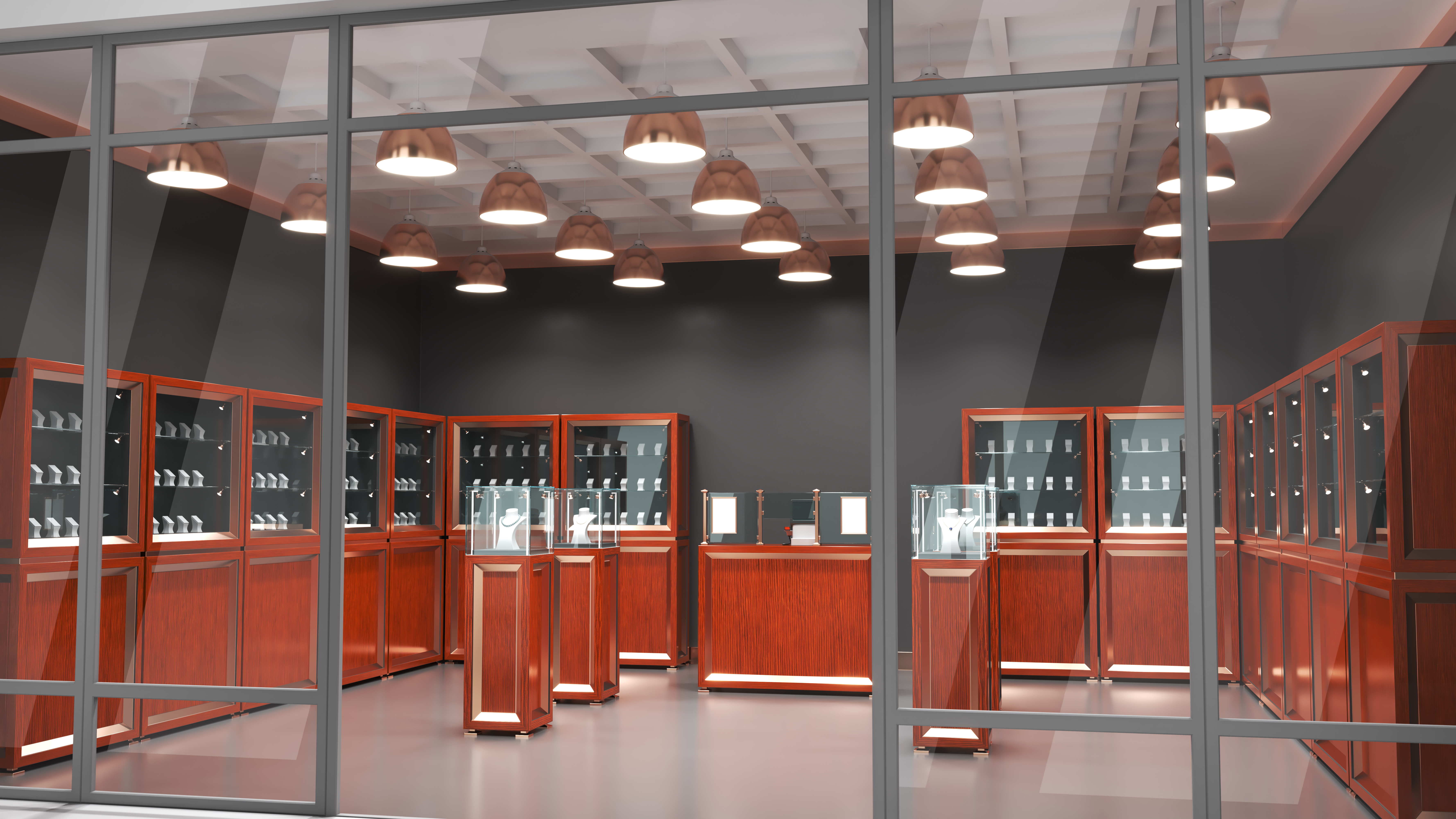
Turnkey POP displays simplify your retail strategy, combining every element needed to grab attention in-store. They integrate seamlessly from design through delivery.
Core Components of POP Displays
To begin, let’s break down the essential parts. POP displays usually include design, production, and installation. Each step is vital for a successful outcome. The design phase focuses on creating an attractive, brand-specific look. During production, high-quality materials like acrylic, metal, or wood are crafted into durable displays. Finally, installation ensures everything fits perfectly in your retail space. By mastering these components, you ensure your brand stands out. Learn more about display packaging at Geodis.
Benefits of Turnkey Solutions
Why choose a turnkey approach? It’s all about efficiency and impact. With turnkey solutions, you streamline the process, reducing time and effort. Everything is handled by experts, from initial concept to installation. This ensures a cohesive look that enhances brand visibility and boosts sales. Most people think they need multiple vendors, but a single turnkey provider can save both time and resources. Ultimately, this approach delivers a polished, professional display that attracts shoppers and drives engagement.
Custom Retail Fixtures and Materials
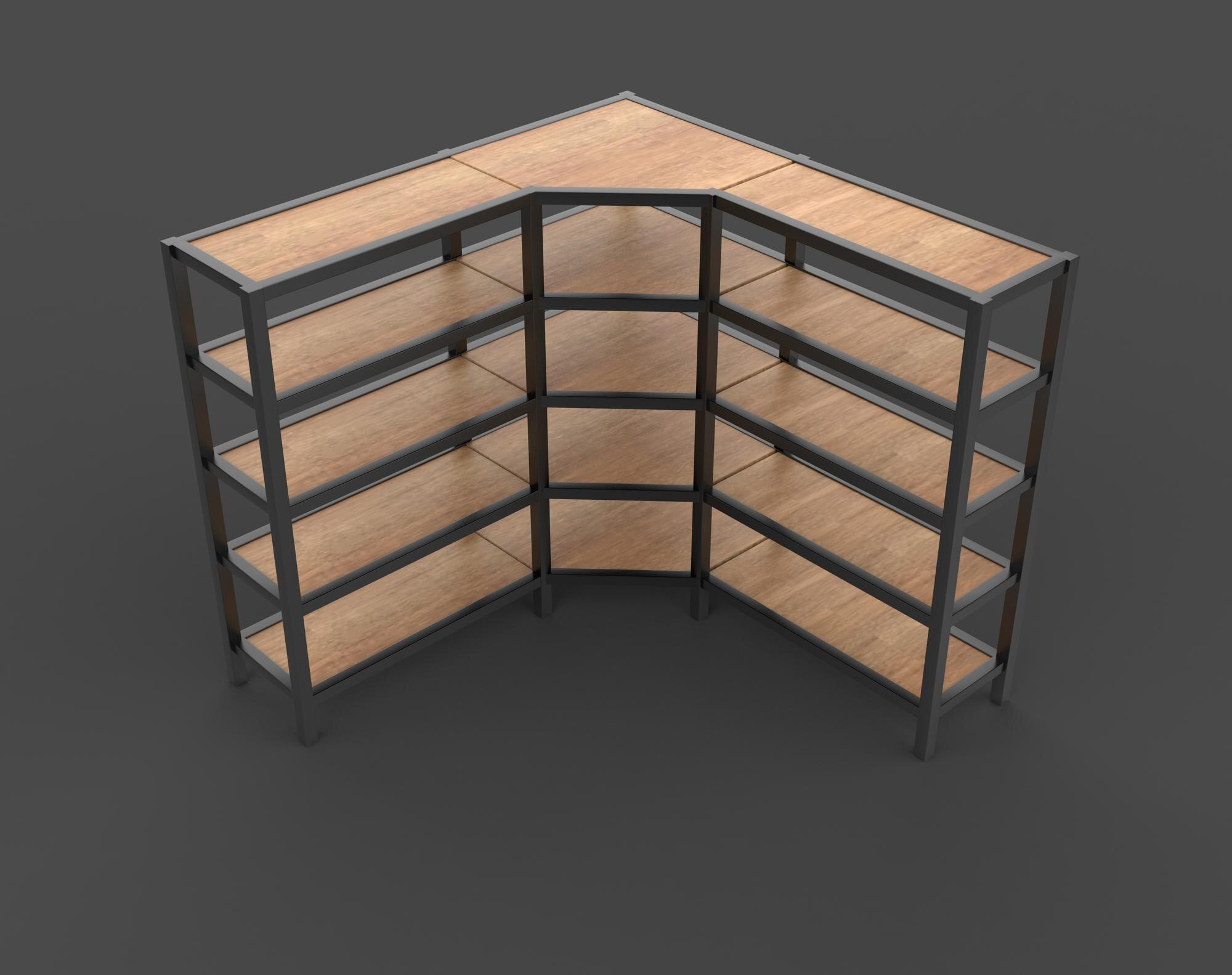
Custom retail fixtures are the backbone of any effective display. The right materials and design can transform a simple setup into a shopper magnet.
Acrylic, Metal, Wood, and Mixed Materials
Choosing the right material is crucial. Acrylic offers a sleek, modern look perfect for highlighting products. It’s lightweight and versatile, ideal for various display types. Metal displays provide strength and durability, making them a great option for heavy-duty needs. Wood, on the other hand, brings warmth and a natural feel, useful for brands aiming for an eco-friendly image. Mixing materials can provide unique aesthetics that catch the eye and enhance the brand’s story. Consider these options to tailor your fixtures to your specific needs and goals.
Design and Engineering Process
The design and engineering process is where creativity meets practicality. It starts with an idea—a vision of how your display will look and function. Designers take into account the brand’s identity and target audience to create a concept. Engineers then bring this concept to life, ensuring the structure is both beautiful and functional. Prototypes are developed to test the design’s effectiveness in real environments. This phase is critical to guarantee that your display not only looks good but stands up to the demands of retail. Dive deeper into the engineering process with D’Andrea Visual.
From Concept to Retail Impact
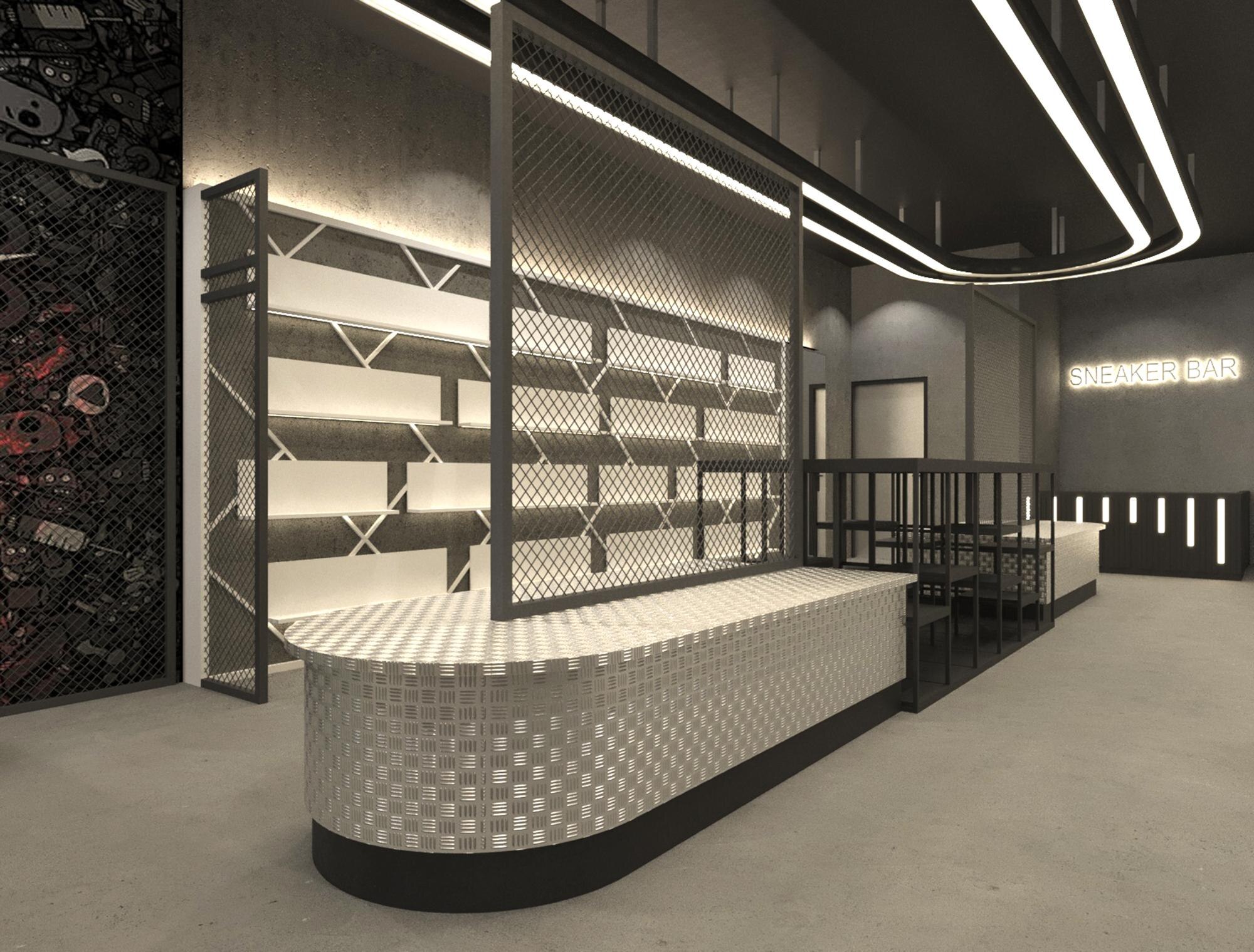
Creating a display that impacts retail sales goes beyond design. It involves strategic planning and execution from start to finish.
Prototyping, Testing, and Quality Assurance
Before hitting the shelves, a display must be tested. Prototyping allows you to see the design in action and make necessary adjustments. Each prototype undergoes rigorous testing to ensure durability and performance. Quality assurance checks are conducted to maintain high standards, ensuring that each display functions as intended and meets all retail requirements. This step is crucial for avoiding costly mistakes and achieving the desired retail impact. Learn more about POP displays at ColorReflections.
Logistics and Retail-Compliant Delivery
Finally, logistics and delivery are the last pieces of the puzzle. Efficient logistics ensure displays arrive on time and in perfect condition. Retail-compliant delivery guarantees that all displays meet store specifications, preventing any last-minute issues. By managing these aspects, you ensure a smooth transition from the warehouse to the retail floor. The longer you wait to streamline your logistics, the more you risk disruptions at retail.
By understanding and implementing these elements, you’re well on your way to transforming your in-store merchandising game. Your brand will not only be visible but memorable, driving sales and customer engagement.