

 by Admin
Mastering Retail Impact: Strategic Design Techniques to Influence Shopper Decisions
Mastering Retail Impact: Strategic Design Techniques to Influence Shopper Decisions
Most retail displays blend into the background, missing chances to influence buying decisions. Your retail display design can change that by capturing attention and guiding shopper engagement. In this post, you’ll learn proven merchandising solutions and POP displays that boost brand visibility and sales. Contact us today to enhance your retail display strategy!
Understanding Retail Display Design
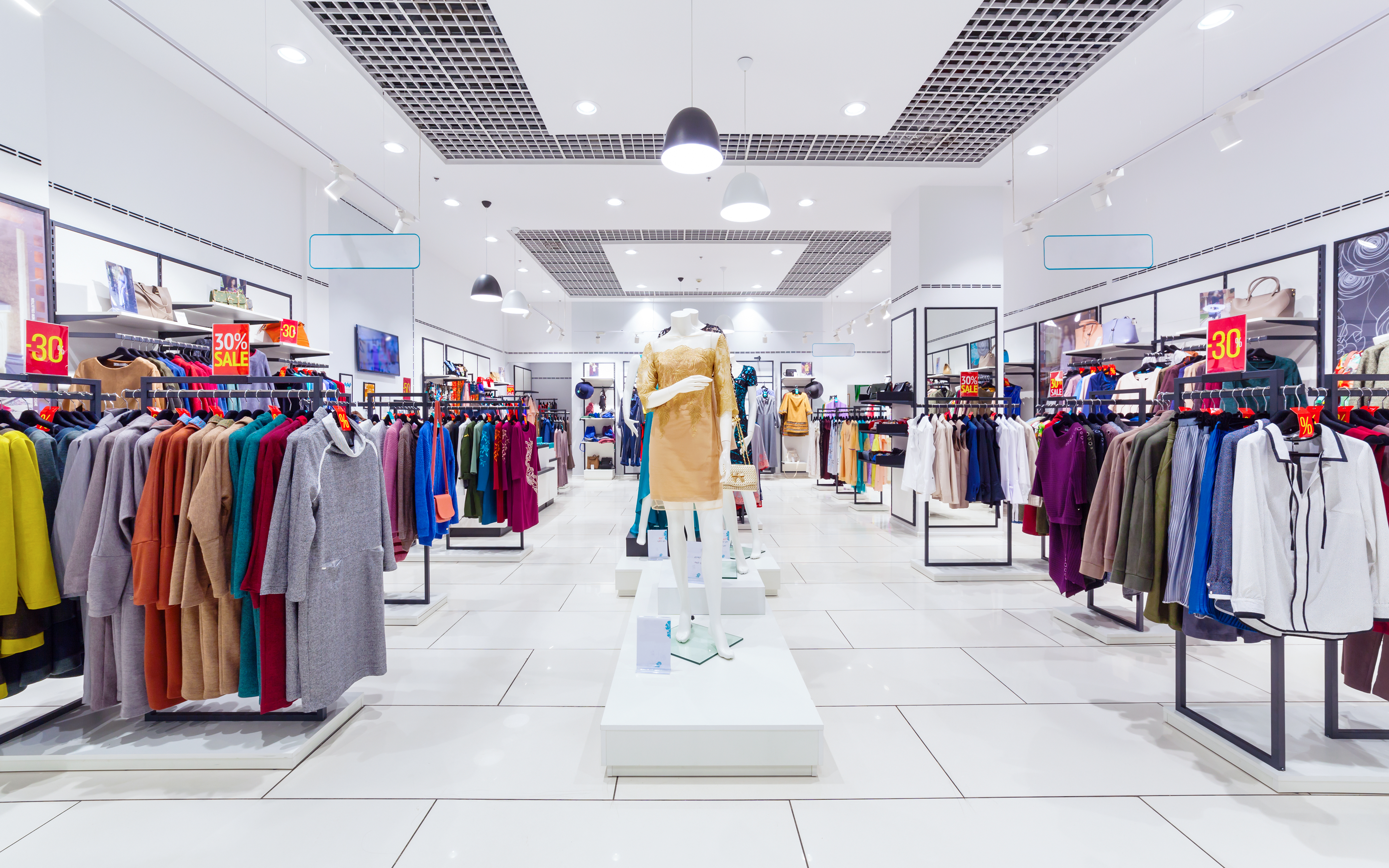
Retail display design is more than just aesthetics—it’s about crafting experiences that drive results. By leveraging strategic design, you can transform displays into powerful tools that captivate and compel.
The Power of Visual Merchandising
Visual merchandising is your silent salesperson. It shapes perceptions and influences behavior. By arranging products creatively, you can direct attention and inspire action. Consider a store window that tells a story. It draws passersby in, converting curiosity into sales.
-
Storytelling: Visual storytelling makes your brand relatable. Use themes that resonate with your audience to create emotional connections.
-
Color Psychology: Colors evoke emotions. A red display might stimulate urgency, while blue calms and reassures.
-
Lighting Effects: Proper lighting highlights key products, creating focal points that attract customers.
Most people believe that cluttered displays overwhelm, but strategic clutter can create a ‘treasure hunt’ atmosphere, increasing time spent in-store.
Key Elements of Shopper Engagement
Engagement is about interaction. Start with the layout—easy navigation encourages exploration. Make sure your displays are interactive, offering tactile or digital experiences.
-
Interactive Displays: Allow customers to engage directly with products. Touchscreens or augmented reality can offer detailed information.
-
Product Grouping: Group items that naturally go together. This not only helps in cross-selling but also enhances convenience for the shopper.
-
Signage and Messaging: Clear, concise messaging guides the shopper journey. Use signs to highlight product benefits or offers.
Here’s the key insight: while most think engagement is about tech, it’s really about how those tools enhance the shopper’s journey. By focusing on these fundamentals, you prime your displays to convert browsers into buyers.
Strategic POP Displays
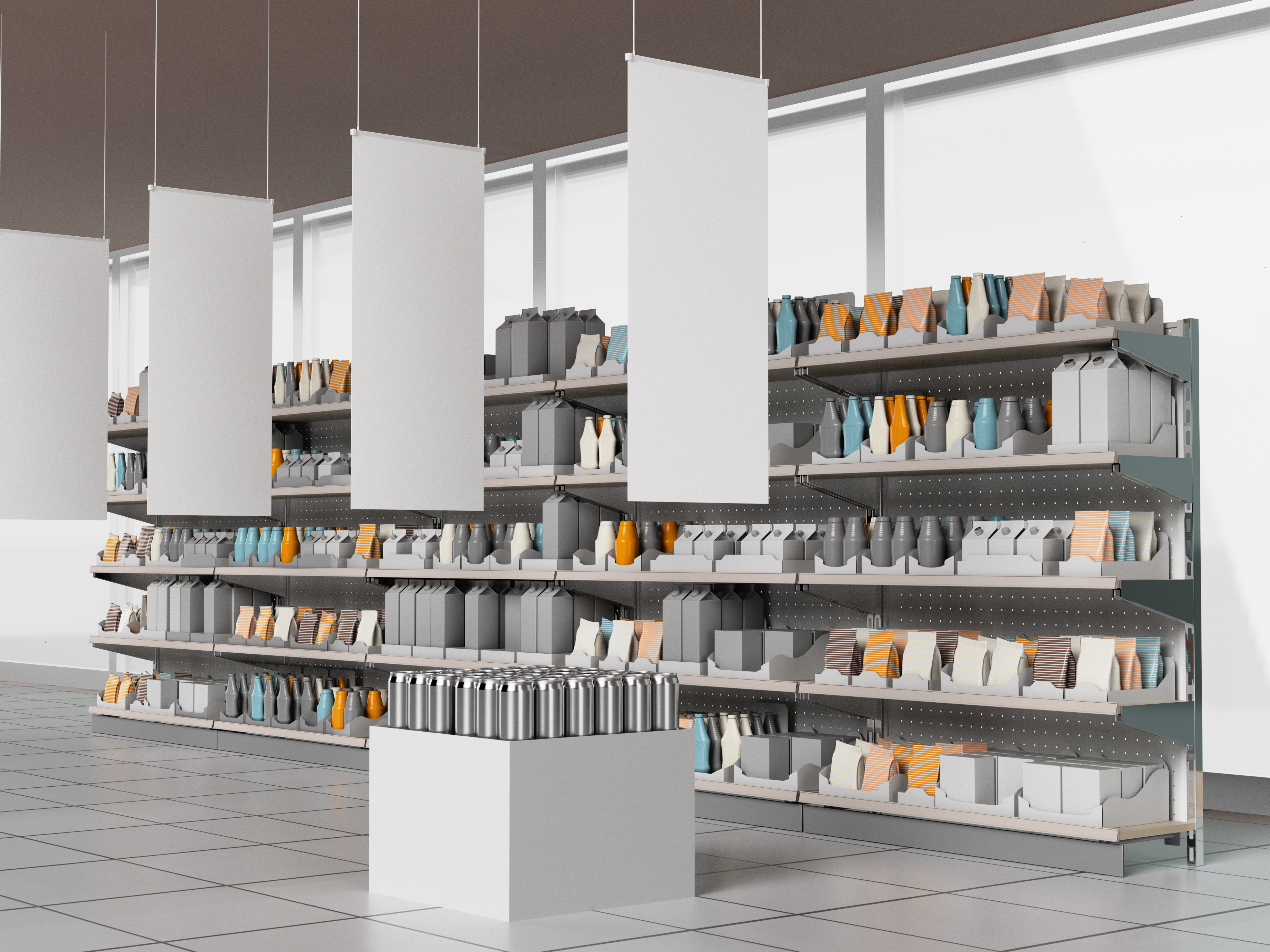
Once you’ve captured attention, it’s time to focus on conversion. Point of Purchase (POP) displays are crucial in this next step, serving as the final nudge in the buying process.
Designing for Brand Visibility
Your display should be a beacon for your brand, standing out in a crowded marketplace. A strong brand presence not only increases recognition but also instills trust.
-
Consistent Branding: Ensure your displays reflect your brand’s identity, using logos and colors that reinforce recognition.
-
Unique Shapes and Structures: Break the mold with unexpected shapes that disrupt the visual monotony and draw attention.
-
Material Choices: Use materials that align with your brand values—eco-friendly for sustainable brands or high-tech for tech-focused companies.
Did you know that displays with branded elements can increase shopper engagement by up to 30%? This statistic underlines the importance of cohesive branding in display design.
Effective Merchandising Solutions
Merchandising solutions are about facilitating the decision-making process. A well-structured display can simplify choices, making it easier for customers to say “yes.”
-
Themed Displays: Feature seasonal or thematic arrangements that relate to current trends or events.
-
Cross-Merchandising: Place complementary products together, like shoes with socks, to boost average purchase value.
-
Promotional Displays: Highlight special offers or new arrivals to create a sense of urgency.
Most people think simplicity means less impact, but often, a clean, straightforward approach can be more effective. Explore how top retailers optimize their display strategies to learn more.
Partnering for Success
A successful retail strategy often involves collaboration. By learning from others’ experiences, you can refine your approach and elevate your retail presence.
Case Studies in Retail Impact
To truly understand the power of effective display design, consider real-life examples. These stories illustrate how strategic displays can transform retail outcomes.
-
Brand X: Increased sales by 25% after redesigning displays to focus on product benefits, supported by interactive screens that provided detailed information.
-
Company Y: Boosted foot traffic with window displays that featured rotating themes, drawing new customers in weekly.
-
Retail Z: Implemented eco-friendly materials in their displays, enhancing brand loyalty among environmentally conscious shoppers.
Most assume that impactful displays require massive budgets. However, these examples show that creativity and strategic thinking can achieve remarkable results without breaking the bank.
Enhancing Your Display Strategy
As you consider your next steps, think about the potential of your retail displays. With the right approach, you can transform how customers view your brand.
-
Assess Current Displays: Identify what’s working and areas for improvement.
-
Experiment with Layouts: Test different configurations to see what maximizes engagement.
-
Seek Expert Guidance: Partner with professionals who specialize in crafting impactful displays.
The longer you wait to adapt, the more opportunities you miss. By refining your display strategy today, you position your brand for greater visibility and success in the future.