
 by Admin
A Practical Guide to Acrylic, Metal, and Wood POP Displays
A Practical Guide to Acrylic, Metal, and Wood POP Displays
Choosing the right material for your POP displays can make or break your retail impact. Acrylic, metal, and wood each bring unique strengths—and knowing which fits your brand and store setup is key. This guide breaks down these options so you can confidently select the perfect custom store fixtures for your merchandising strategy. Ready to spec the right material? Request a complimentary materials consultation and prototype quote today. Learn more here.
Choosing the Right Material
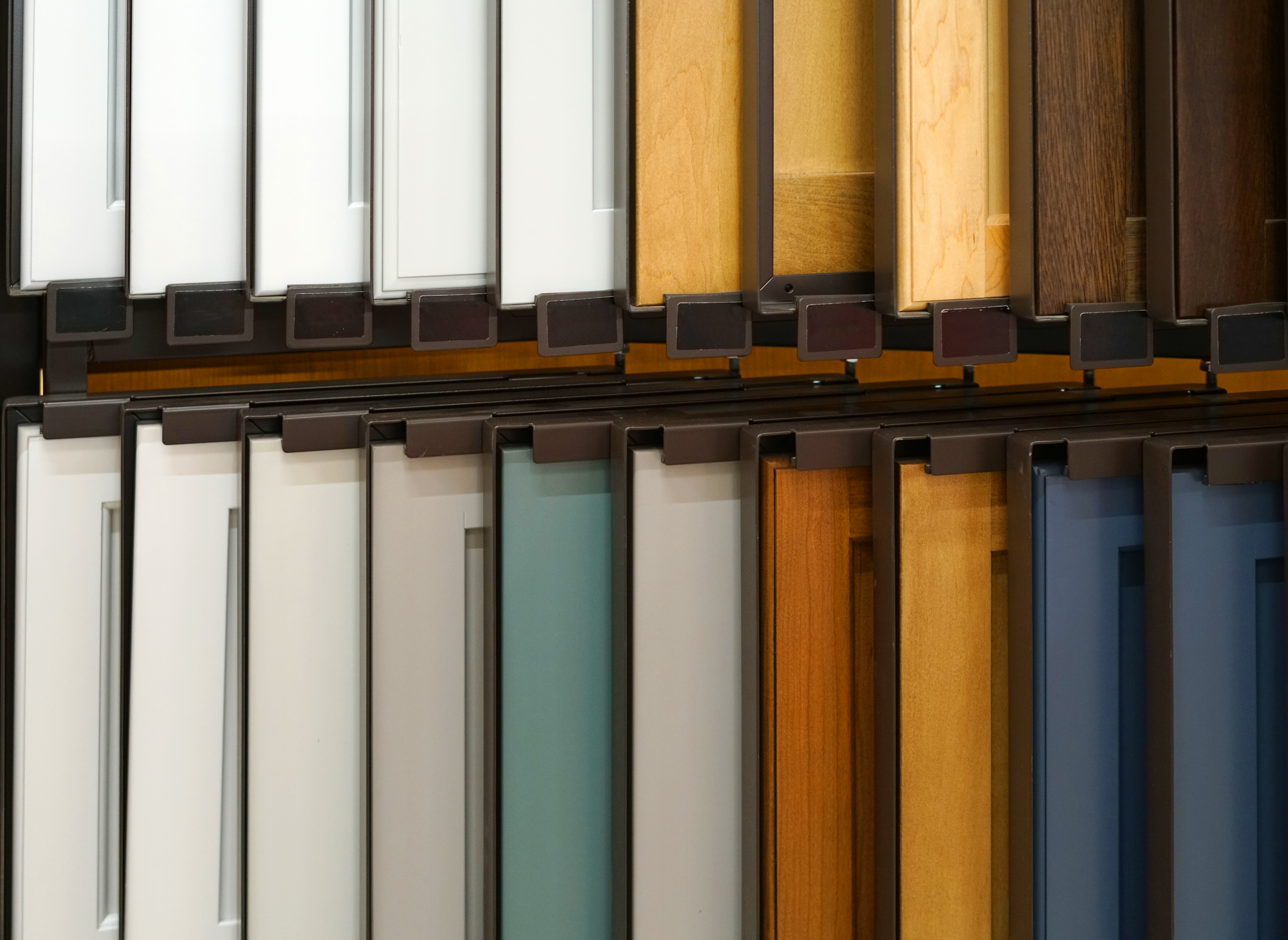
Selecting the right material is crucial for impactful POP displays. Each material offers unique benefits to enhance your retail space.
Benefits of Acrylic Retail Displays
Acrylic displays are a favorite due to their modern look and versatility. They allow light to pass through, making products pop. Acrylic is light but strong, reducing shipping costs and handling risks. Its clarity offers a high-end look without the high-end price.
Many stores choose acrylic for its adaptability. It can be molded into various shapes, fitting any design need. Plus, it resists yellowing and scratching, keeping displays fresh. For more insights, check out this guide.
Durability of Metal Retail Fixtures
Metal fixtures are known for their strength and durability. They handle heavy products with ease, making them ideal for long-term displays. Metal’s sleek finish adds a modern touch to any store layout.
These fixtures withstand wear and tear, crucial for busy retail environments. They also offer flexibility; you can paint them to match your brand’s color scheme. For a comprehensive guide, visit here.
Eco-friendly Wood Display Stands
Wooden displays bring warmth and sustainability to retail spaces. Many brands opt for wood to emphasize an eco-friendly image. Wood offers a natural charm that’s hard to replicate with other materials.
Wood is also versatile; it can be stained or painted to match your store’s theme. Choose from a variety of woods to fit your budget and design needs. For more on sustainable displays, explore this source.
Designing Custom Store Fixtures
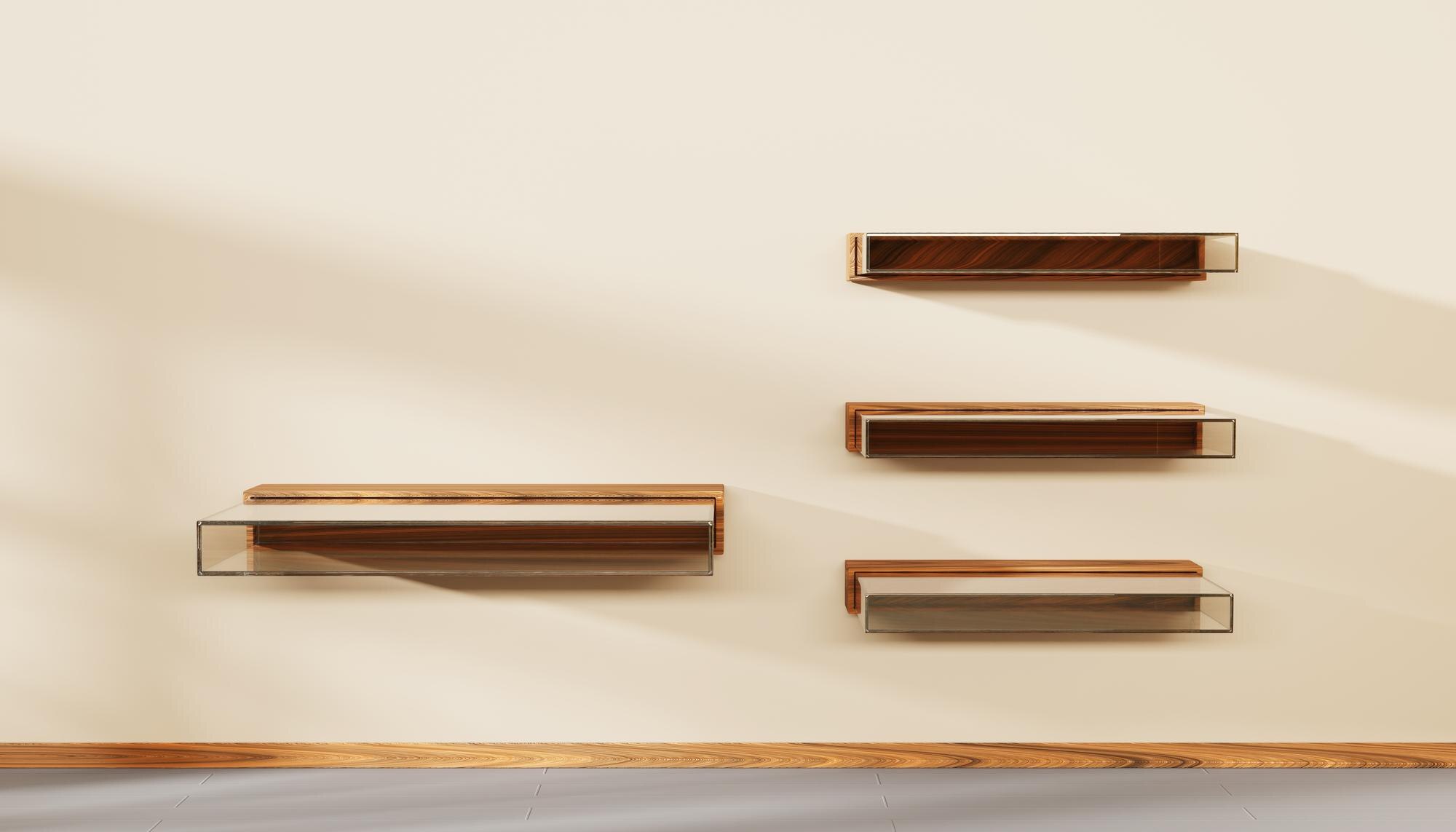
Understanding how custom fixtures are designed can help you make informed choices.
Turnkey Display Solutions Explained
Turnkey solutions simplify the display process. Everything from design to delivery is handled for you. This approach ensures consistency and quality.
Opting for a turnkey solution means you get expert advice at every stage. This takes the burden off your shoulders, allowing you to focus on other business needs. For more on the benefits, learn here.
Display Design and Manufacturing Process
The design and manufacturing process involves several key steps. First, a concept is created based on your needs. Then, engineers develop detailed plans. The next phase is production, where materials are shaped and assembled.
Precision is vital during manufacturing. Our team ensures each piece meets high standards, providing you with a reliable and attractive display.
CNC Routing and Laser Cutting Techniques
CNC routing and laser cutting allow for precise and intricate designs. These techniques enable the creation of custom shapes and complex patterns.
Using technology in display crafting ensures each piece is perfectly cut, enhancing the overall look. This precision is especially important for small details that make a big impact.
Successful Retail Merchandising
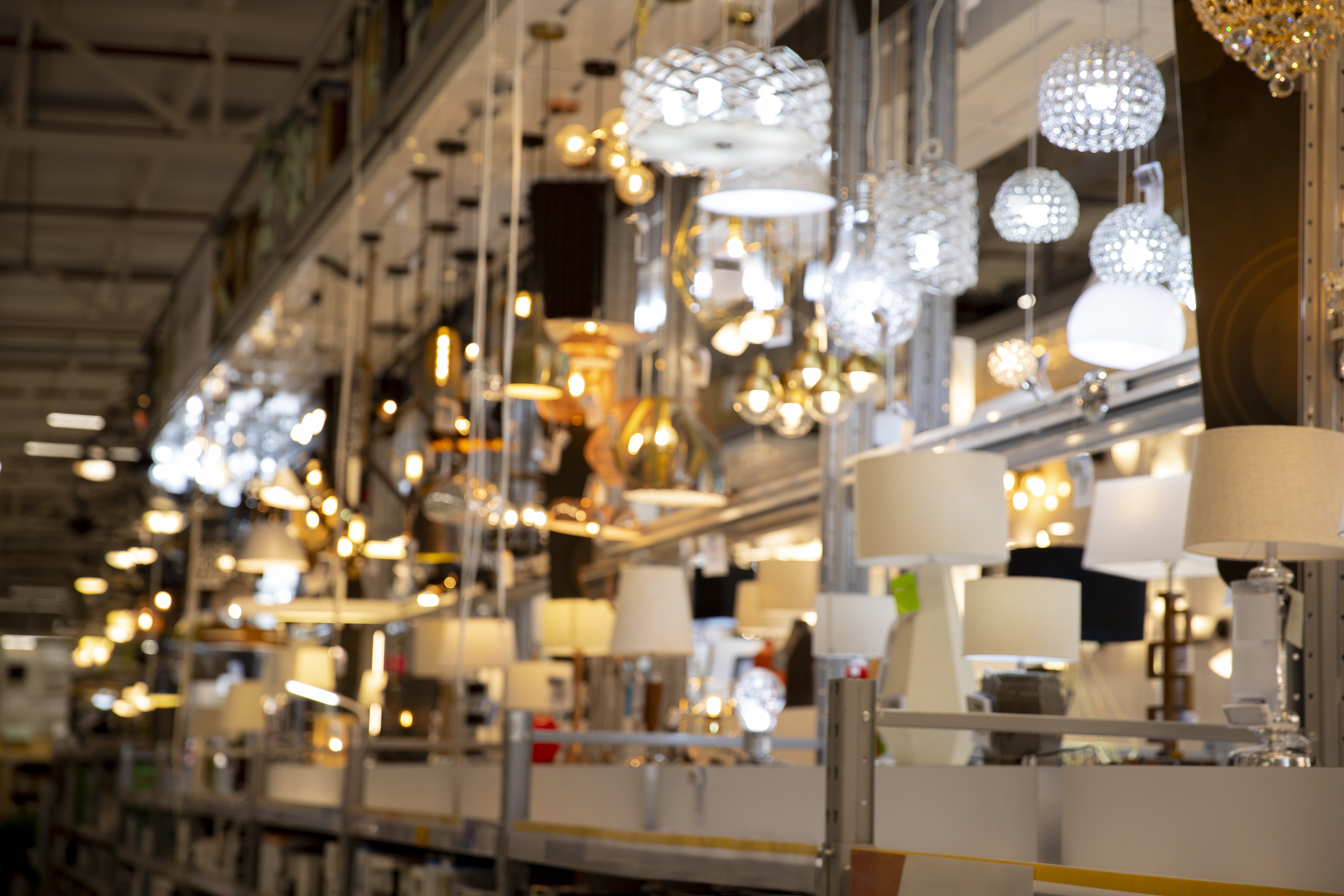
Effective merchandising strategies can elevate your retail presence.
Permanent vs. Temporary Displays
Permanent displays are built to last, ideal for staple products. They offer durability and often feature higher-quality materials. Temporary displays are more flexible, perfect for seasonal promotions or new launches.
Choosing between the two depends on your goals. Permanent setups provide consistency, while temporary ones allow for quick updates.
Effective Use of Modular Displays
Modular displays offer adaptability. You can rearrange them to fit changing needs. This flexibility helps in small spaces or stores with frequently updated products.
Using modular displays means you can easily adjust your layout. This keeps your store fresh and engaging without needing a complete overhaul.
Visual Merchandising Strategy Tips
Visual merchandising is key to attracting customers. Focus on creating inviting and accessible displays. Use color and lighting to highlight products.
Remember, less is more. Avoid clutter; emphasize key items to draw attention. Regularly update displays to maintain interest and encourage repeat visits.
In summary, choosing the right material and design strategy for your POP displays can significantly enhance your retail impact. Each material—acrylic, metal, and wood—offers unique benefits. By understanding the options and designing custom fixtures, you can create a shopping environment that attracts and retains customers.