

 by Admin
Strategic POP Display Design Principles to Lift Sales and Brand Visibility
Strategic POP Display Design Principles to Lift Sales and Brand Visibility
Point of purchase displays can make or break your in-store success. If your current retail display design blends into the background, you’re missing out on sales and brand visibility. This post breaks down strategic POP display design principles that grab attention and drive action. Get ready to rethink your approach and learn how custom retail displays can reshape your shopper marketing results.
Designing Effective POP Displays
To influence shopper decisions, understanding their behavior in-store is key. It’s not just about placing a product on a shelf. It’s about creating an experience that resonates with them and encourages purchase.
Understanding Shopper Behavior
Shoppers make quick decisions. The average time spent in front of a display can be as short as 3 to 7 seconds. Your display needs to capture attention instantly. Use bold colors and clear signage to do this. Place items at eye level to make them more noticeable. A well-placed display can increase product visibility by up to 33%. Most people think shoppers are price-driven, but convenience often trumps cost. Make your displays intuitive and easy to navigate. Consider adding interactive elements that engage directly with customers. Learn more about effective strategies here.
Key Elements of Visual Merchandising
Visual merchandising is more than arranging items pleasingly. It’s about storytelling through displays. Use props and lighting to create a narrative around the product. This makes shopping more enjoyable and memorable. A cohesive theme across displays can enhance brand recognition. Consistency is key. Regularly update displays to keep them fresh and relevant. An outdated display can deter customers. Customers are drawn to novelty, so frequent updates can boost engagement and sales. Discover more about the impact of POP displays.
Creating Engaging Interactive Displays
Interactive displays encourage customers to spend more time at your location. Touch screens, QR codes, or virtual reality elements can intrigue shoppers. Engagement leads to conversion. When customers interact with your product, they form a connection that can influence purchase decisions. Don’t shy away from tech-driven displays. Even simple features like a rotating product can captivate. The longer customers engage, the more likely they are to buy. Explore more interactive display tips.
Materials and Construction Choices
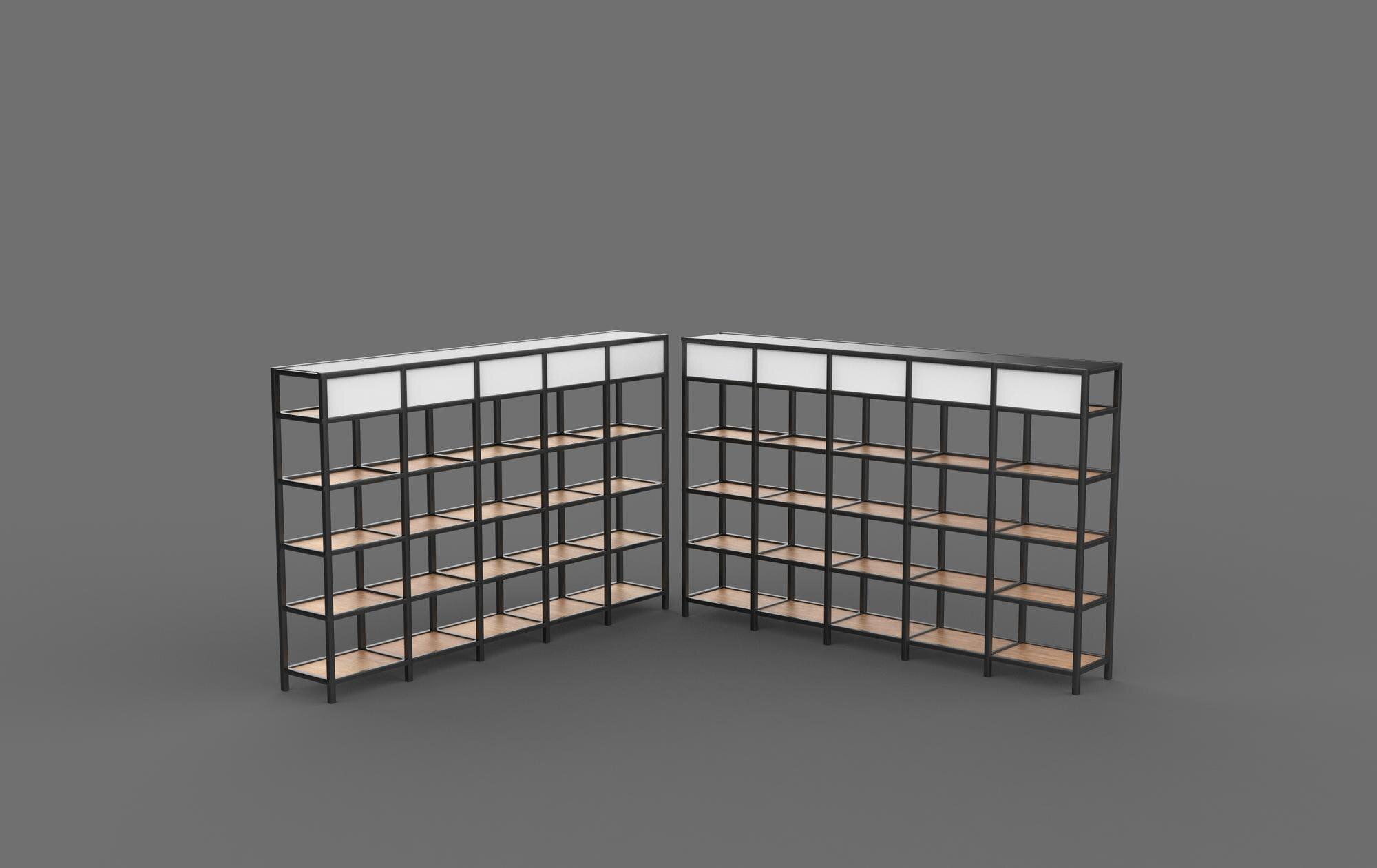
The choice of materials impacts both aesthetics and durability of your displays. It’s crucial to select materials that align with your brand image while serving practical purposes.
Benefits of Acrylic and Metal Displays
Acrylic and metal displays are popular due to their durability and sleek appearance. Acrylic displays offer a clear view, making your products the star. They’re lightweight and versatile, perfect for creating eye-catching designs. Metal displays are robust and can support heavier items. They offer a modern look, ideal for tech products or luxury items. Both materials can be customized to fit brand aesthetics. The choice between acrylic and metal depends on the product and target audience. Learn more about these materials on this page.
Versatility of Wood in Retail Design
Wood adds warmth and character to displays. It’s perfect for brands that want a natural or rustic feel. Wood displays can be tailored to any shape or size. They blend well with a variety of products. Wood is also durable, making it a good choice for long-term displays. Consider using wood for products that align with eco-friendly or artisanal values. It offers a timeless appeal that resonates with many consumers.
Choosing Between Temporary and Permanent Displays
Temporary and permanent displays each have their place in retail strategy. Temporary displays are ideal for seasonal promotions or product launches. They’re cost-effective and easy to assemble. Permanent displays are investments that offer consistent brand visibility. They provide stability and longevity. The decision depends on your marketing objectives and budget. Temporary displays allow flexibility, while permanent ones offer long-term benefits.
Comprehensive Display Solutions
A successful display strategy requires more than just the right materials. It involves careful planning and execution to ensure each component works harmoniously.
Importance of CAD and Display Prototyping
CAD and prototyping are essential in display design. They allow you to visualize the final product and make adjustments before manufacturing. This process ensures accuracy and efficiency. Prototyping helps in identifying potential issues early, saving time and resources. It’s a step many overlook but is crucial for a flawless end product. By investing in CAD and prototyping, you minimize surprises and ensure a display that meets expectations.
Logistics and Fulfillment Strategies
Effective logistics and fulfillment are crucial for display success. Ensure timely delivery and setup to avoid disrupting store operations. Streamlined logistics enhance efficiency and reduce costs. Consider partnering with a company that offers end-to-end solutions. This ensures a seamless process from design to deployment. Proper logistics prevent delays and ensure displays are ready for customer interaction.
Embracing Eco-Friendly and Modular Options
Eco-friendly and modular displays are increasingly popular. Eco-friendly materials appeal to environmentally conscious consumers. They also reflect positively on your brand image. Modular displays offer flexibility, allowing easy updates or reconfigurations. This adaptability can save costs in the long run. Consider adopting these options to meet consumer demands and enhance brand reputation.